Keep drainage open
Check that water can leave through the holes and is not trapped in a decorative outer pot. Empty standing water where the plant needs free drainage. A layer of stones at the bottom is not a replacement for drainage holes.
A garden in any space
Create a thriving container garden with confidence, from choosing the pot to caring for its roots.
← Back to Planting & CareSouthern Plants™ puts care into its labels to help you choose a suitable home for each plant.
Use the light and soil preferences on your Southern Plants label when choosing a container position and a suitable potting mix. A pot gives you control over the root environment, but it does not change the plant’s sun or shade needs. Check its mature size before choosing the container.
Find your plant’s growing information →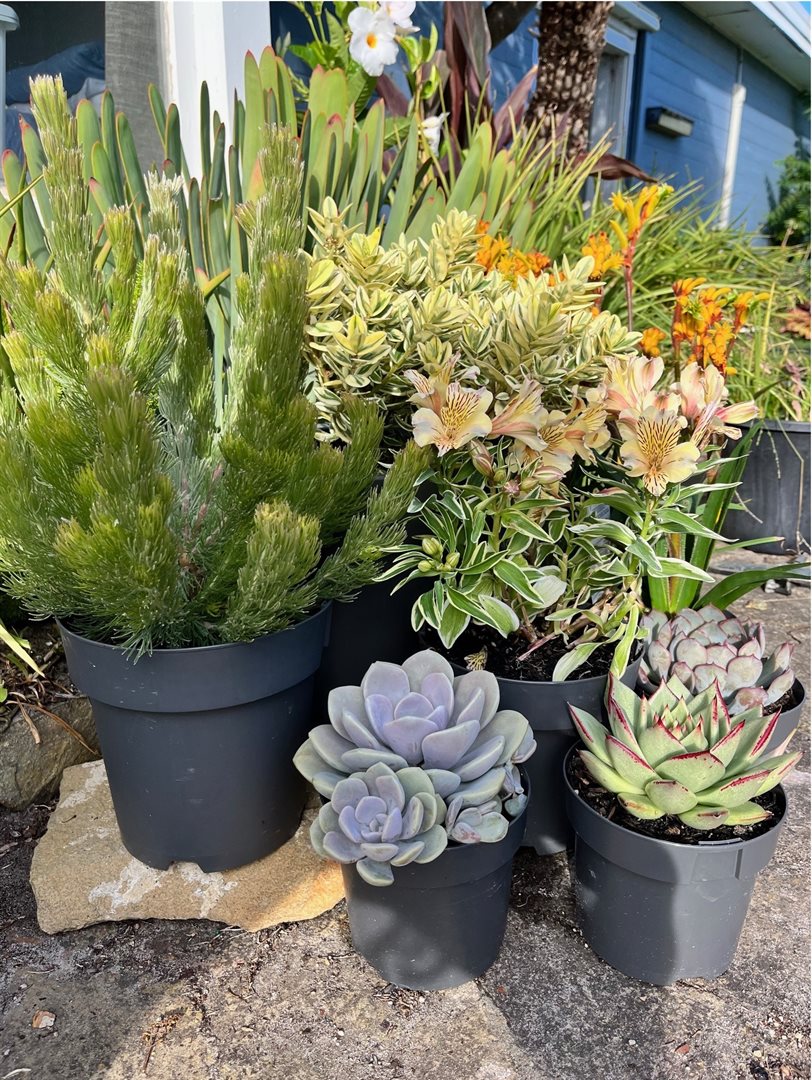
Container gardening
Use quality potting mix and containers with free drainage. Pots dry and lose nutrients faster than garden soil, so check them regularly. Repot when roots become crowded, drainage slows or the plant becomes unstable, usually into a clean container one or two sizes larger.
Consider mature plant size, the available root space and whether the container will remain stable in wind. A very small pot dries quickly; an unnecessarily large one can retain more wet mix than a small root system can use. Keep access routes clear and leave space to lift or move pots for maintenance.
Check that water can leave through the holes and is not trapped in a decorative outer pot. Empty standing water where the plant needs free drainage. A layer of stones at the bottom is not a replacement for drainage holes.
Choose a quality container mix matched to the plant rather than filling the pot with heavy garden soil. Follow the mix label, including its handling instructions and any information about fertiliser already included.
A sheltered corner and a sunny paved wall can have very different conditions. Place plants according to their requirements, and check how wind and reflected heat affect the containers.
Check the mix before watering, then apply water slowly so the root ball is moistened and surplus can drain. Watch that water is not simply escaping through a dry gap around the edge. Follow the plant and fertiliser labels when feeding; extra fertiliser will not solve poor drainage or an unsuitable position.
Look for crowded roots, a pot that dries unusually quickly, poor infiltration or a top-heavy plant. Move up a modest size where appropriate, refresh with suitable mix and keep the crown at the correct level. Some plants prefer a snug root space, so use the variety’s needs rather than repotting on a fixed timetable.
Keep the mix packaging long enough to check whether fertiliser is already included. Combining several feeds without checking their rates can be too much for the plant.
A selection of plants that suit pots and containers, currently available from Southern Plants™. Choose a plant to see its full growing guide.
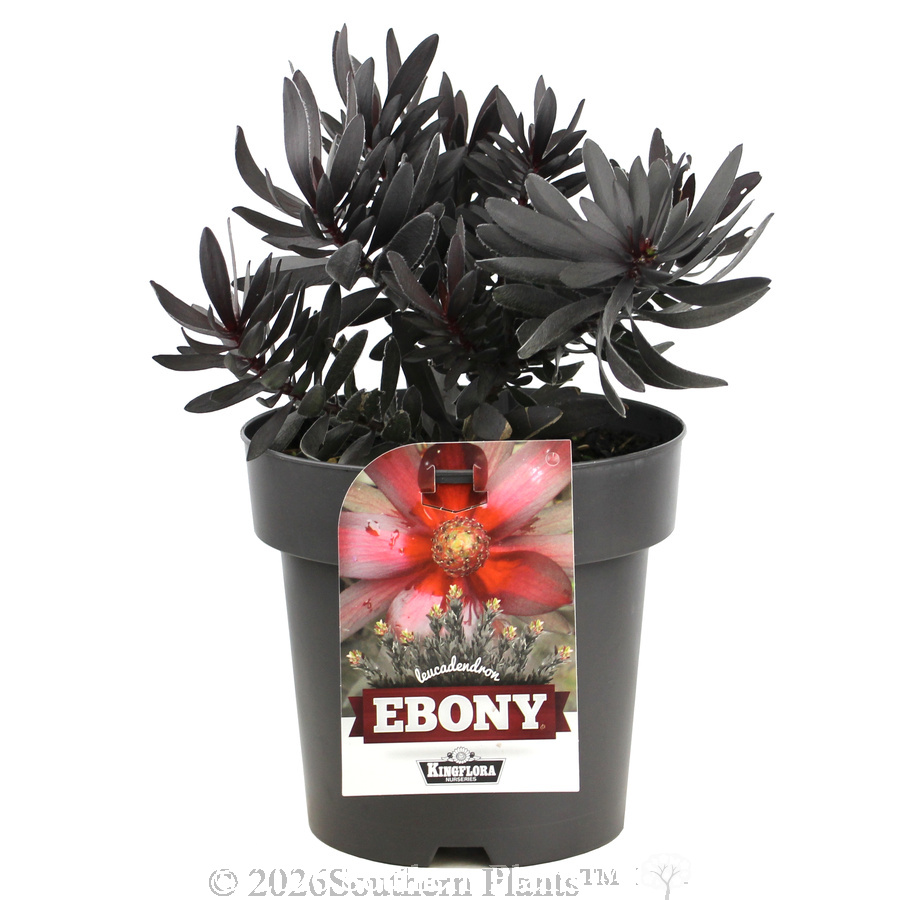 Leucadendron Ebony
Leucadendron laureolum x salignum 'Ebony'
Leucadendron Ebony
Leucadendron laureolum x salignum 'Ebony'
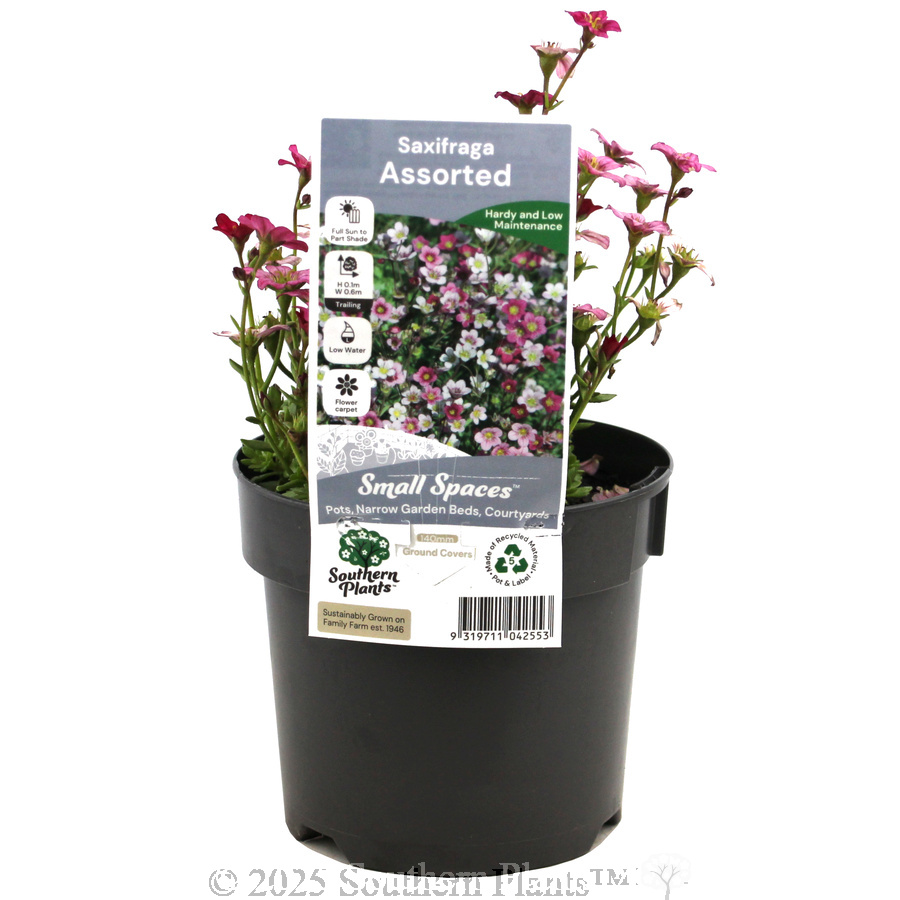 Tufted Alpine Saxifraga
Saxifraga caespitosa Assorted
Tufted Alpine Saxifraga
Saxifraga caespitosa Assorted
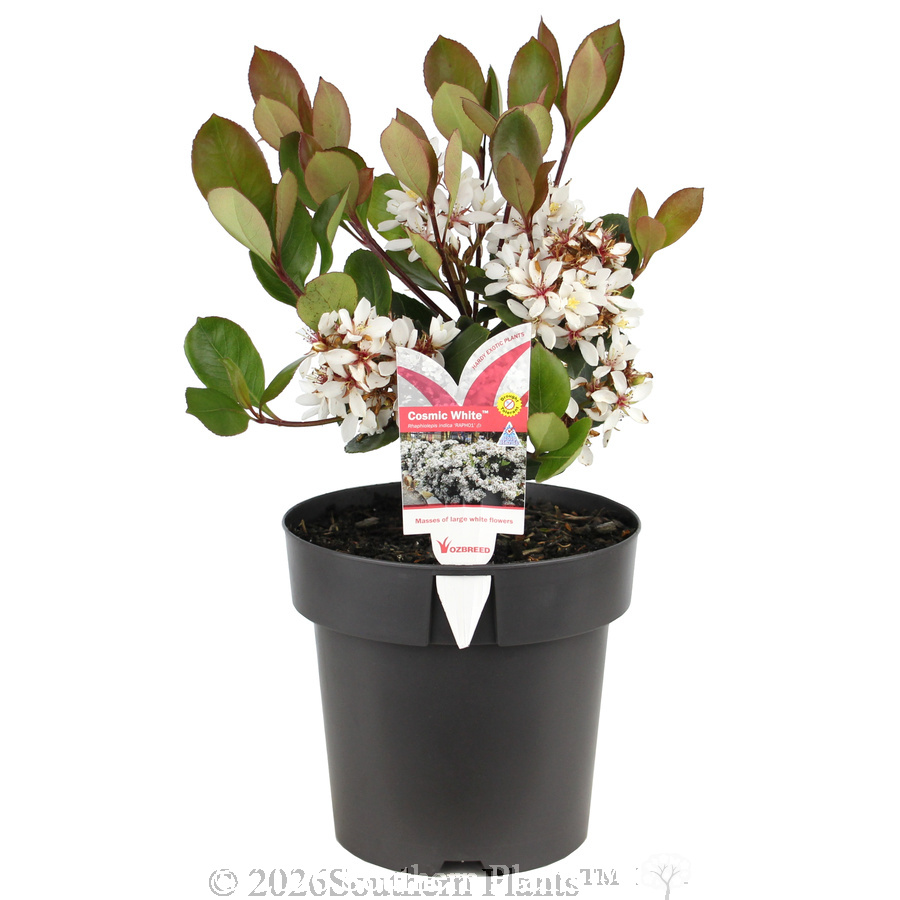 Cosmic White™ Indian Hawthorn
Rhaphiolepis indica 'RAPH01' Cosmic White™
Cosmic White™ Indian Hawthorn
Rhaphiolepis indica 'RAPH01' Cosmic White™
 Nandina Blush™
Nandina domestica 'Blush™' 'AKA'
Nandina Blush™
Nandina domestica 'Blush™' 'AKA'
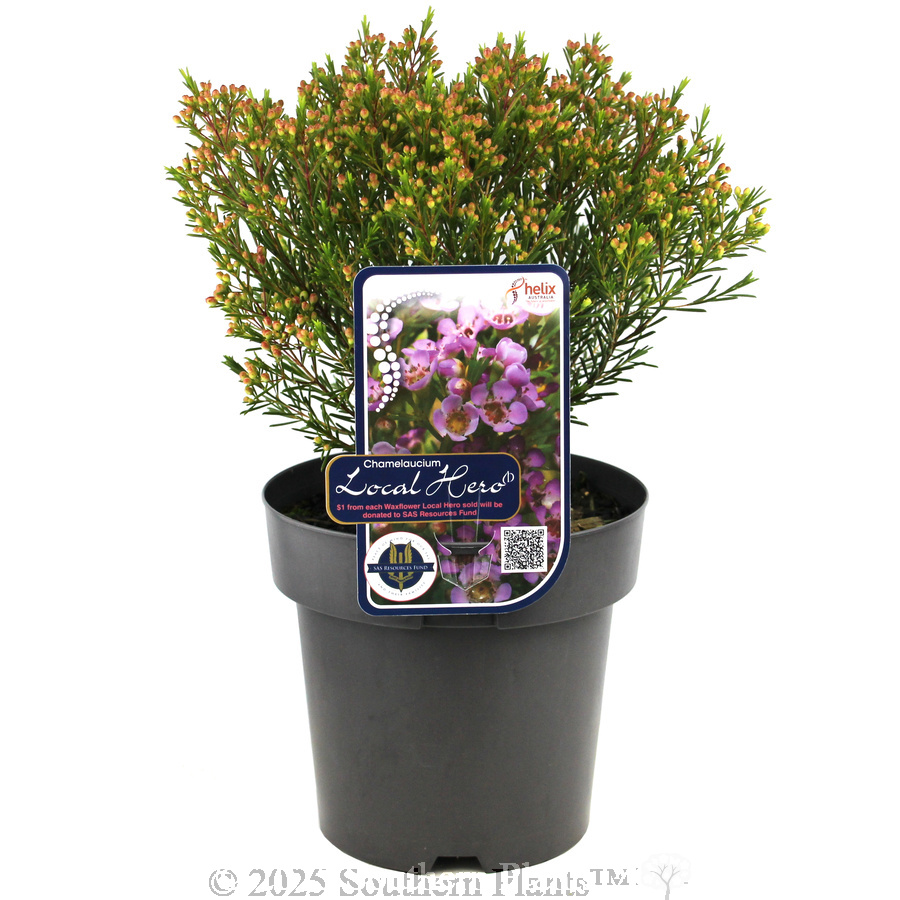 Local Hero Wax Flower
Chamelaucium uncinatum 'Local Hero'
Local Hero Wax Flower
Chamelaucium uncinatum 'Local Hero'
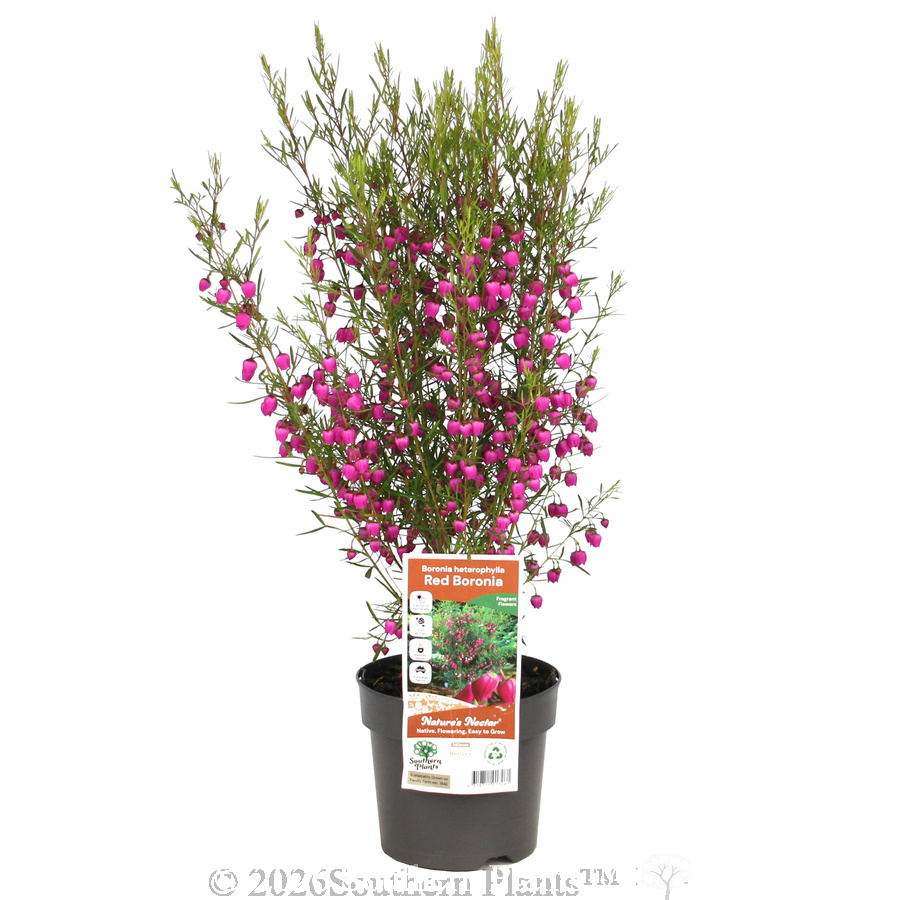 Red Boronia
Boronia heterophylla
Red Boronia
Boronia heterophylla
 Hydrangea Black Lace
Hydrangea macrophylla 'Black Lace'
Hydrangea Black Lace
Hydrangea macrophylla 'Black Lace'
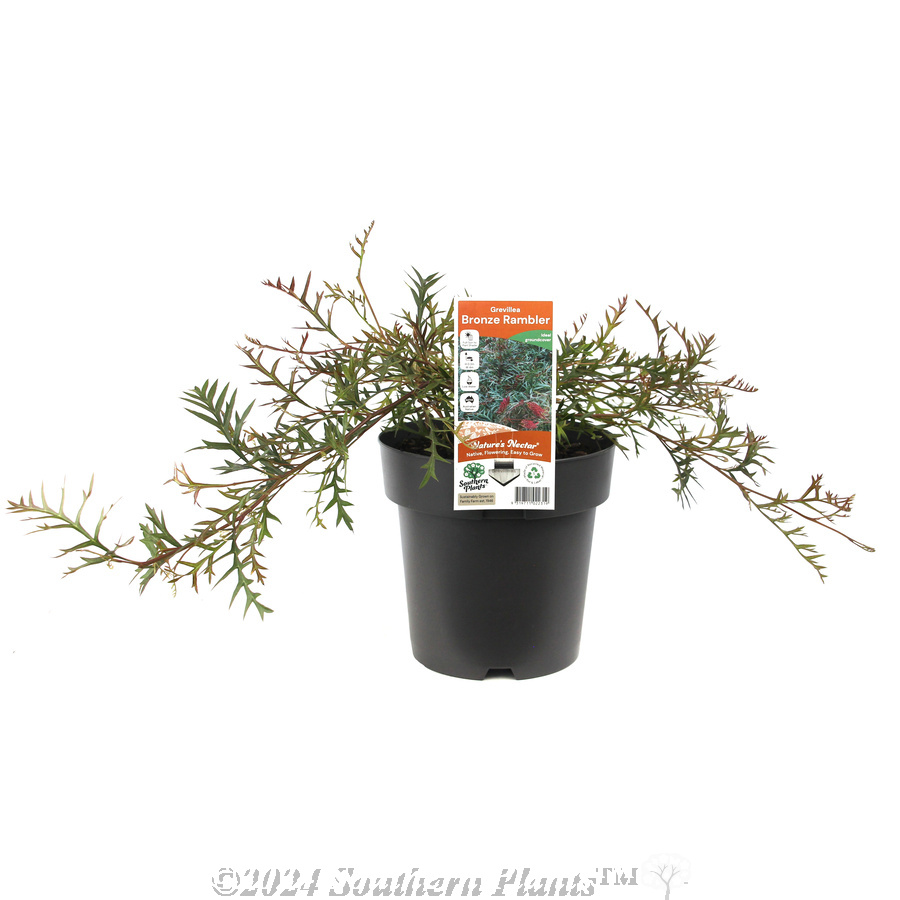 Grevillea Bronze Rambler
Grevillea rivularis x G. 'Poorinda Peter' 'Bronze Rambler'
Grevillea Bronze Rambler
Grevillea rivularis x G. 'Poorinda Peter' 'Bronze Rambler'
You do not need to know everything at once. Start with your plant’s growing requirements, try the steps that suit your garden, and build confidence as you see what works.
Open Plant Finder