
Group plants by thirst
Put plants with similar water needs together. Thirsty plants can then be watered properly without overwatering their tougher neighbours. Keep the thirstiest plants closest to the house or tap.
Save water, grow well
Grow a garden that thrives on less water, with confidence in where, when and how much to water.
← Back to Planting & CareSouthern Plants™ puts care into its labels to help you choose a suitable home for each plant.
Check the water needs and drought tolerance on your Southern Plants label. Group plants with similar needs together. A plant described as drought tolerant still needs regular water until it is established.
Find your plant’s growing information →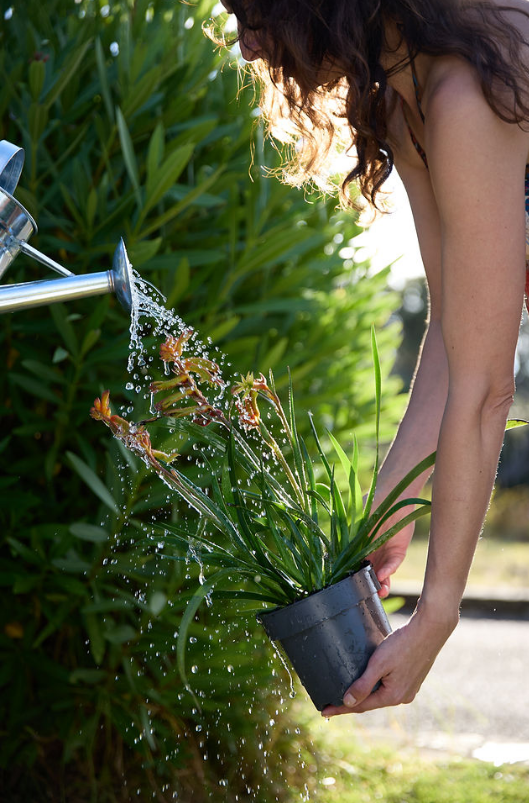
Save water, grow well
A water wise garden is not a dry garden. It is a garden where water goes exactly where plants can use it, nothing is wasted and plants are chosen to suit the rainfall you actually get. The good news: the habits that save water also grow stronger, deeper-rooted plants.
Most water savings are made at the planning stage. Choosing the right plant for the right spot means less watering for the life of the garden.
Put plants with similar water needs together. Thirsty plants can then be watered properly without overwatering their tougher neighbours. Keep the thirstiest plants closest to the house or tap.
Look for plants labelled drought tolerant or low water, especially for hot, exposed spots. Remember that drought tolerance develops once a plant is established — it is not there on planting day.
Dig in compost or well-rotted organic matter before planting. It helps sandy soil hold water and helps heavy soil drain, so water reaches the roots instead of running off or sitting in puddles.
A layer of coarse organic mulch about 5–10 cm deep slows evaporation, keeps roots cool and reduces weeds that compete for water. Keep mulch a hand's width away from stems and trunks. Top it up as it breaks down, ideally before summer.
A long, slow soak encourages roots to grow down to where the soil stays moist. Frequent light sprinkles only wet the surface, which keeps roots shallow and thirsty. Check the soil a few centimetres down before watering — if it is still moist, wait.
Water early in the morning, when less is lost to heat and wind. Aim water at the soil over the root zone, not the leaves. Drip irrigation or a soaker hose delivers water slowly where it is needed. If water beads and runs off dry soil or potting mix, a soil wetting agent can help it soak in.
Even the toughest plants need help during their first warm season. A little extra care while they establish means far less watering for years afterwards.
A selection of plants marked as low water in our Marketing Info, currently available from Southern Plants™. New plants still need regular watering until established. Choose a plant to see its full growing guide.
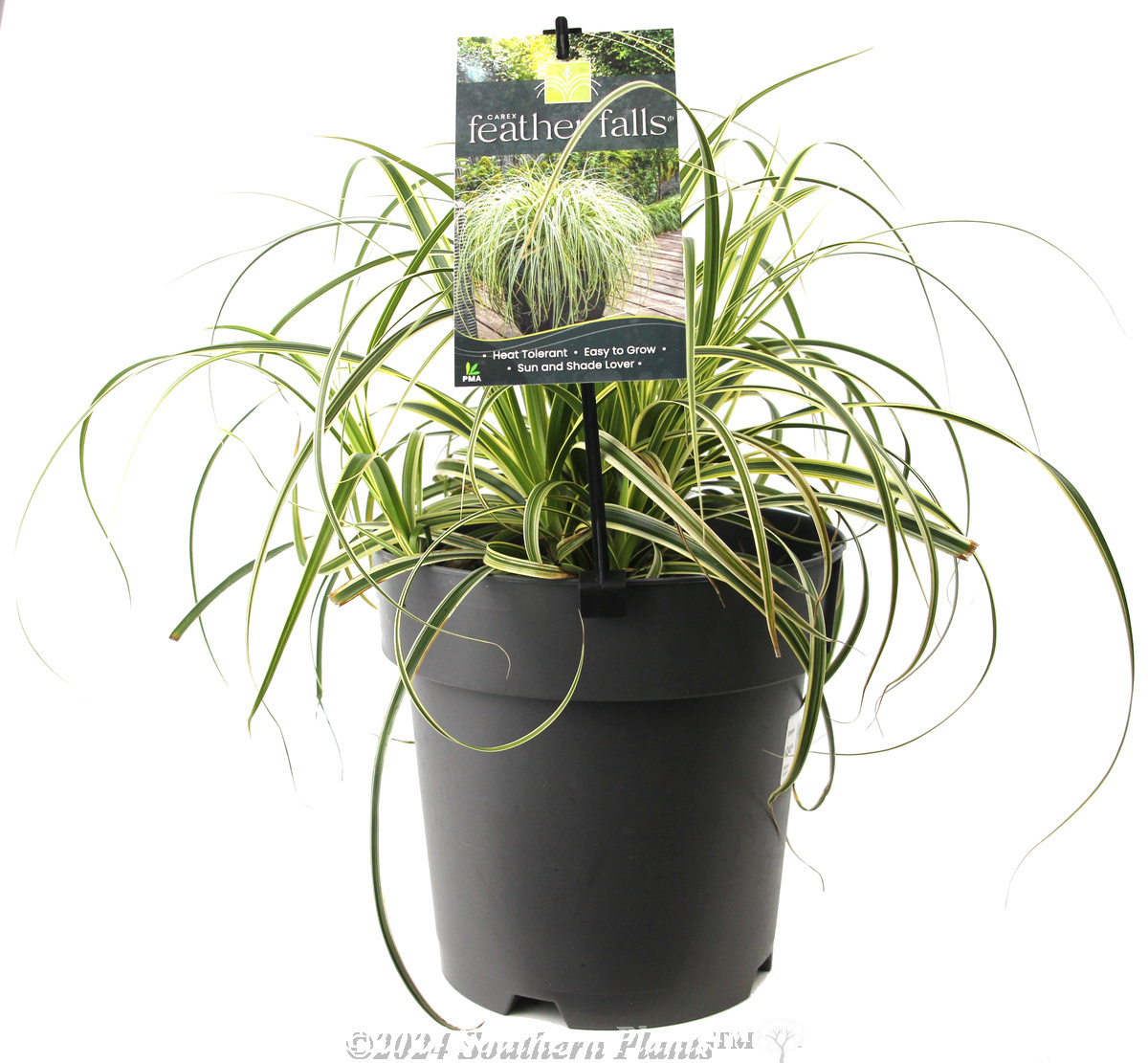 Carex Feather Falls
Carex oshimensis 'Feather Falls'
Carex Feather Falls
Carex oshimensis 'Feather Falls'
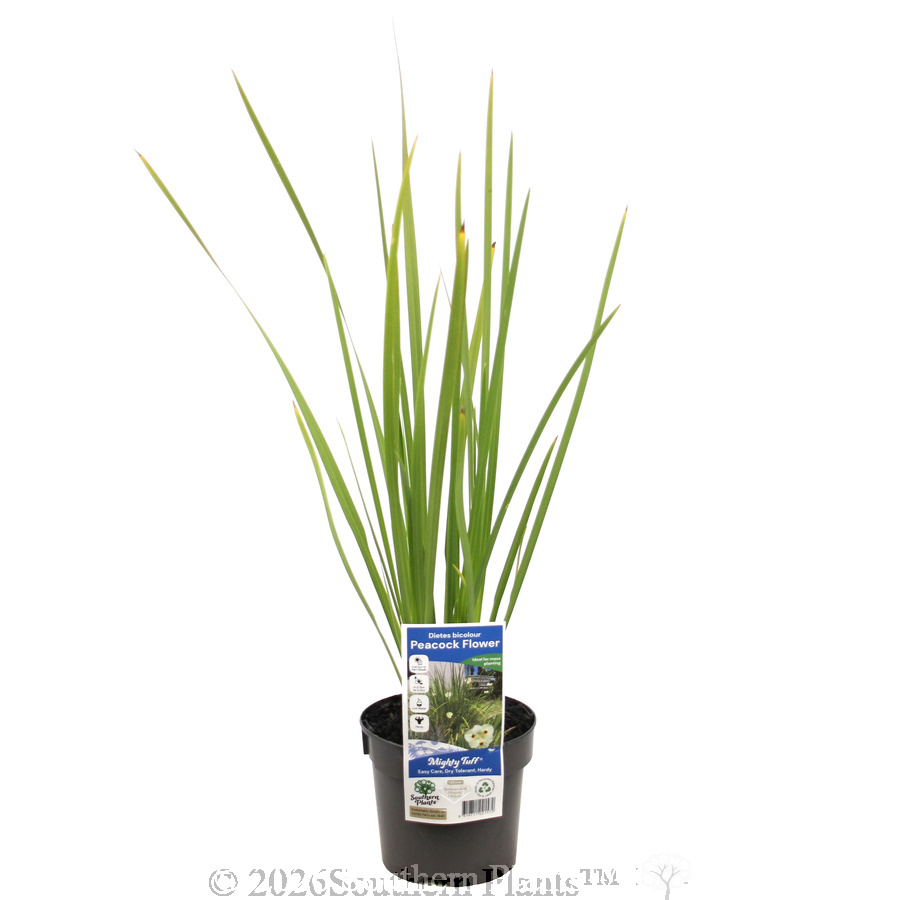 Peacock Flower
Dietes bicolor
Peacock Flower
Dietes bicolor
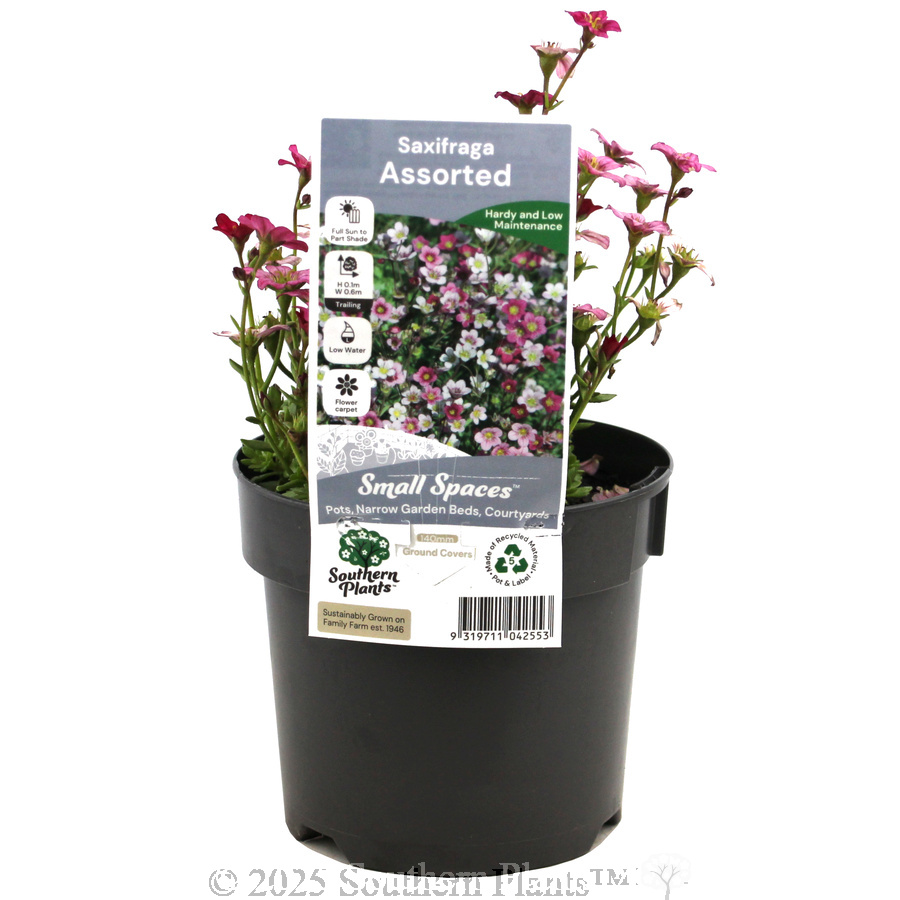 Tufted Alpine Saxifraga
Saxifraga caespitosa Assorted
Tufted Alpine Saxifraga
Saxifraga caespitosa Assorted
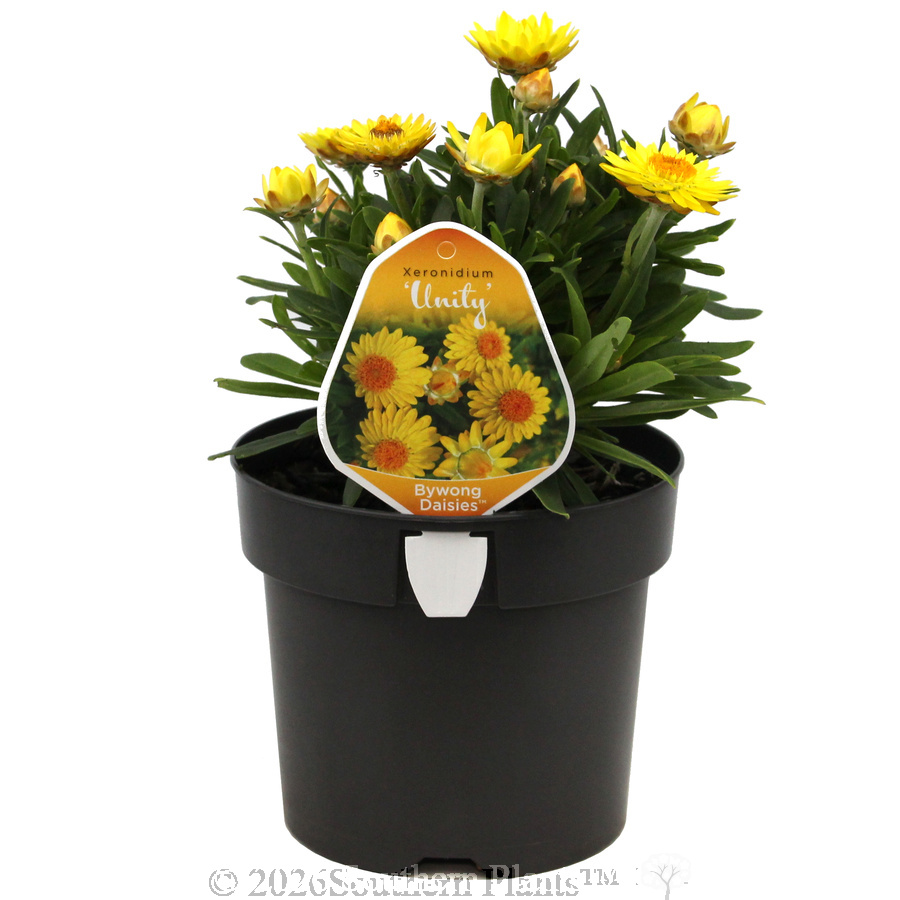 Xeronidium Unity Everlasting Daisy
Xerochrysum x Coronidium 'Xeronidium Unity'
Xeronidium Unity Everlasting Daisy
Xerochrysum x Coronidium 'Xeronidium Unity'
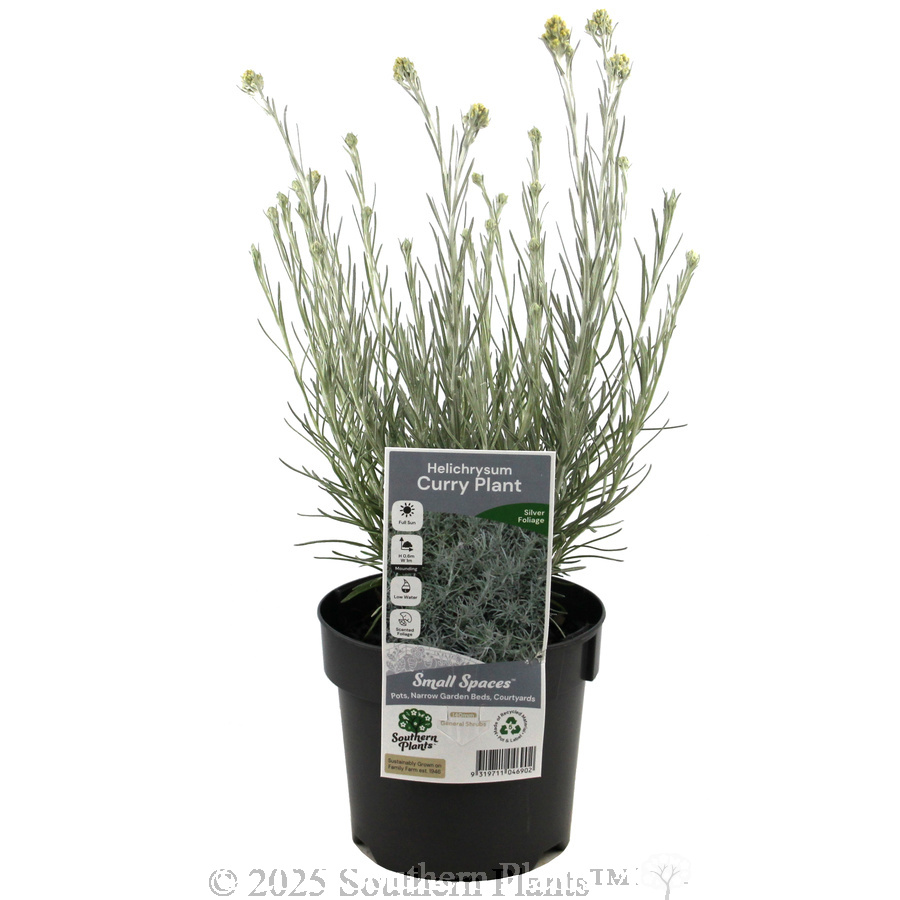 Curry Plant
Helichrysum angustifolium
Curry Plant
Helichrysum angustifolium
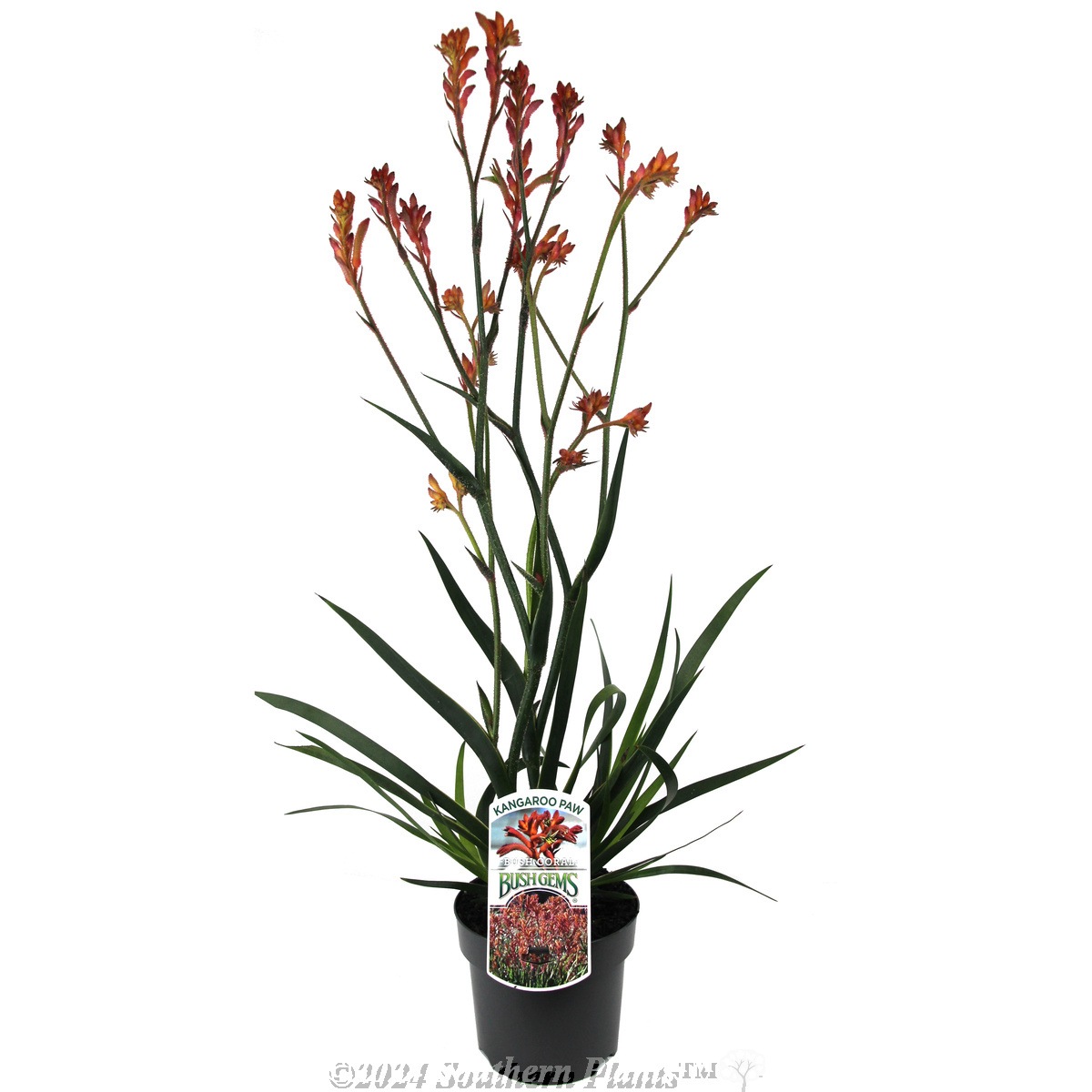 Bush Coral Kangaroo Paw
Anigozanthos hybrid 'Bush Coral'
Bush Coral Kangaroo Paw
Anigozanthos hybrid 'Bush Coral'
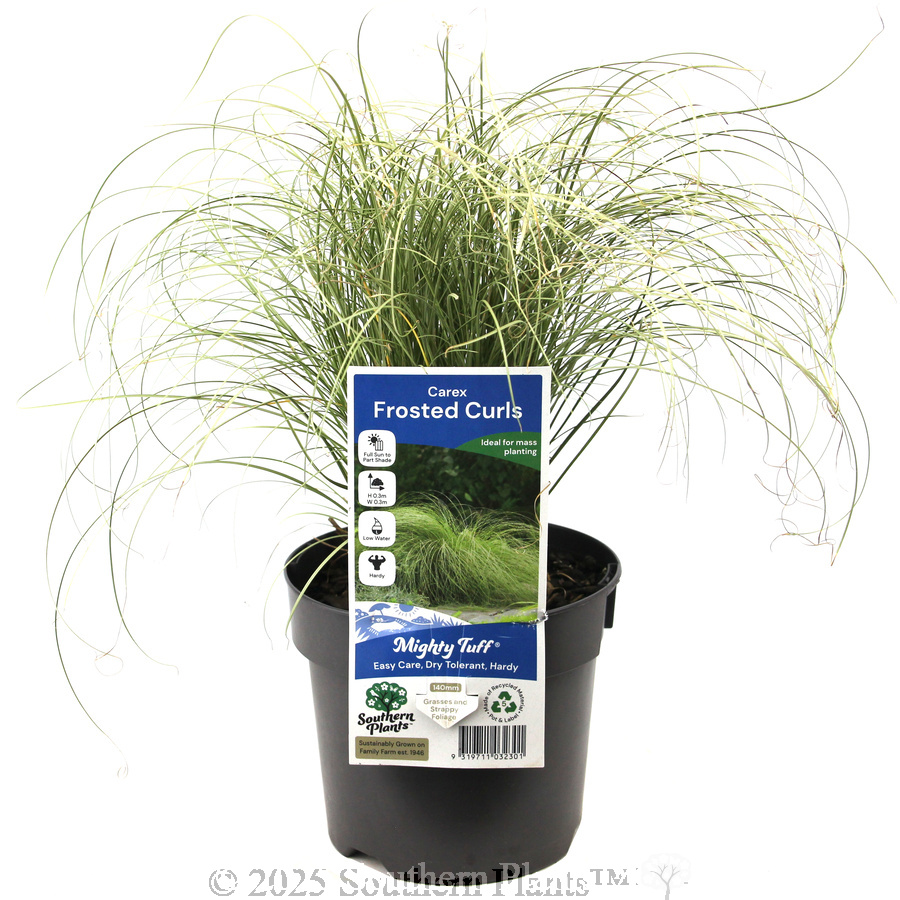 Carex Frosted Curls
Carex albula 'Frosted Curls'
Carex Frosted Curls
Carex albula 'Frosted Curls'
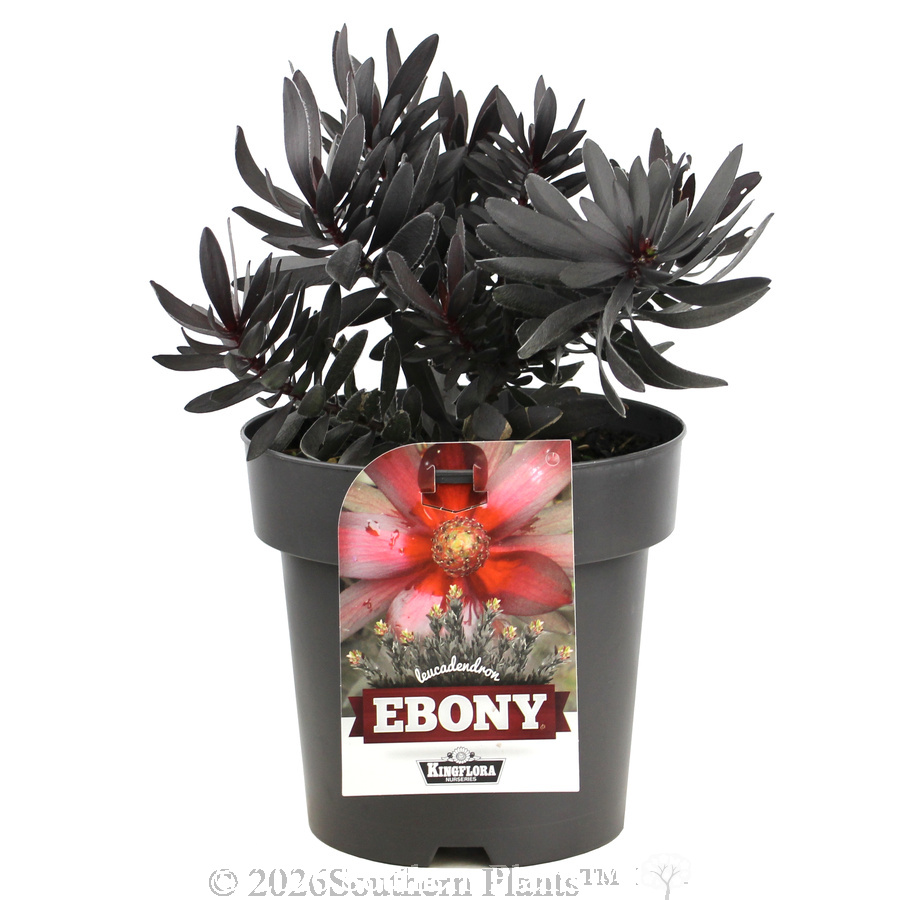 Leucadendron Ebony
Leucadendron laureolum x salignum 'Ebony'
Leucadendron Ebony
Leucadendron laureolum x salignum 'Ebony'
You do not need to know everything at once. Start with your plant’s growing requirements, try the steps that suit your garden, and build confidence as you see what works.
Open Plant Finder