
Watering
Water deeply enough to wet the root zone, then allow conditions to move toward the moisture level preferred by the plant. Pots, wind and hot weather increase water demand.
Help your garden settle and grow
Grow your confidence through observation, with practical routines for watering, feeding, pruning and seasonal care.
← Back to Planting & CareSouthern Plants™ puts care into its labels to help you choose a suitable home for each plant.
Your Southern Plants label is a useful starting point for ongoing care. Refer back to its growing preferences and any watering, feeding or pruning guidance, then adjust to the season and what you observe. Drought tolerance once established does not remove the need to water a new plant.
Find your plant’s growing information →After planting
New plants need closer attention while roots establish beyond the original potting mix. Check moisture at root depth, respond to weather and use the plant-specific instructions shown on each plant page. Once established, adjust care to the plant, soil and season rather than following a fixed calendar.
Every check is a chance to learn. As you notice how your plants respond to weather and care, everyday gardening decisions become easier.
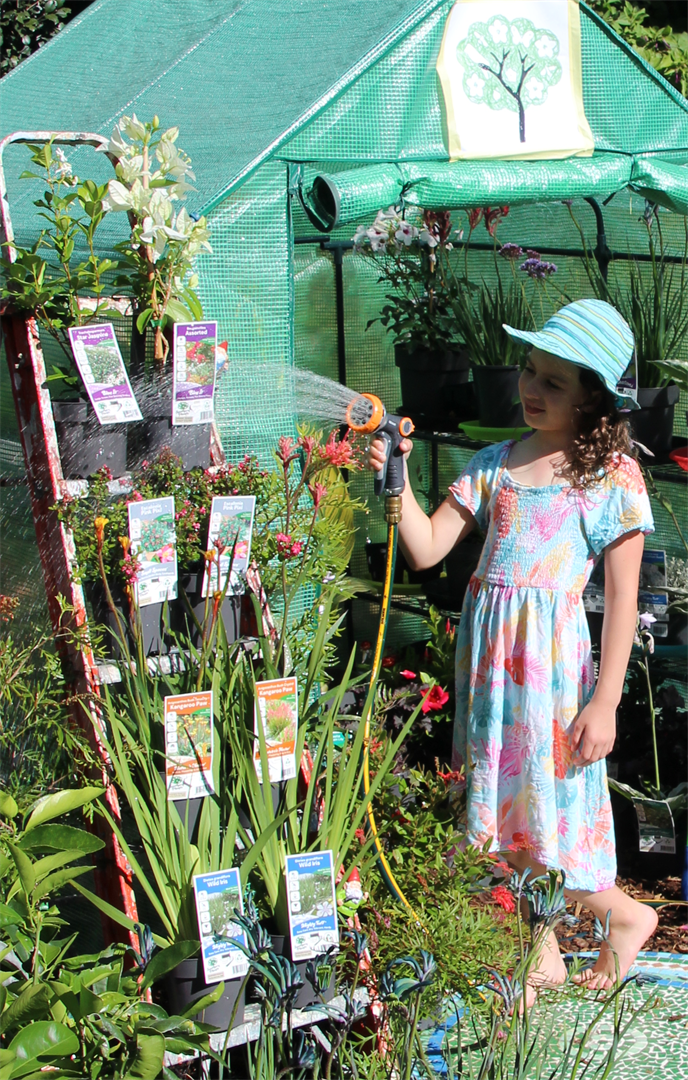
Water deeply enough to wet the root zone, then allow conditions to move toward the moisture level preferred by the plant. Pots, wind and hot weather increase water demand.
Mulch moderates soil temperature, reduces evaporation and suppresses weeds. Refresh it when it becomes thin, but never heap it against stems or trunks.
Feed during active growth only when needed. Use the correct product and rate; Australian natives may require a low-phosphorus fertiliser.
Remove damaged or diseased growth and prune for the plant's natural habit. Flowering plants are often pruned after flowering, while hedges benefit from early formative trimming.
Inspect leaves, stems and soil regularly. Identify a problem before treating it, remove badly affected material where appropriate and encourage airflow and beneficial insects.
Prepare for local heat, wind, frost and seasonal rainfall. Protect sensitive young growth, check irrigation before hot or dry weather, and avoid heavy pruning immediately before extreme conditions.
Use a reminder as a prompt to check a plant, not an instruction to water it regardless of conditions. Feel the soil or potting mix below the surface and look at recent rain, heat and wind. Newly planted specimens need closer attention than well-established plants with roots spread into surrounding soil.
A wet surface does not guarantee a moist root ball. Water slowly, allow time for it to soak in, then check the result. Watch for blocked drippers and water running down the outside of a pot. Adjust each watering zone to its plants instead of assuming one setting suits the whole garden.
Yellow leaves, slow growth or wilting can have several causes. Check moisture, drainage and light before reaching for fertiliser or a treatment. Take a photograph, note when the problem started and inspect neighbouring plants. This record makes it easier to see whether an adjustment is helping.
For symptoms such as damaged leaves, spotting or pests, continue to Pests & Problems. A gardener account can also keep your photos, diary and care reminders together.
Light rain can wet mulch without reaching the soil below. Move a little mulch aside and check the root zone before deciding that rain has replaced watering. Apply water to the soil, allowing it to soak in, and check more than one point in a large bed. Follow local watering restrictions when setting irrigation.
Keep notes about how the garden responds during heat, frost and wet weather. Repeatedly struggling plants may need a different position or a better match to the soil, rather than more fertiliser. Revisit the care label and compare affected plants with healthy plants of the same variety nearby.
You do not need to know everything at once. Start with your plant’s growing requirements, try the steps that suit your garden, and build confidence as you see what works.
Open Plant Finder