
Match the plant to the place
Check the light, soil and drainage preferences on the label. A plant from free-draining coastal sand may struggle in heavy, wet clay, while a moisture-loving variety may suffer in a hot, dry bed.
Bring the bush to your backyard
Choose and care for Australian natives with confidence, from matching the right plant to feeding, watering and pruning.
← Back to Planting & CareSouthern Plants™ puts care into its labels to help you choose a suitable home for each plant.
Check your Southern Plants label for the variety’s light, soil and drainage preferences. Natives come from many different environments, so the label is a better guide than the word “native”. Look for any feeding or pruning notes specific to the variety.
Find your plant’s growing information →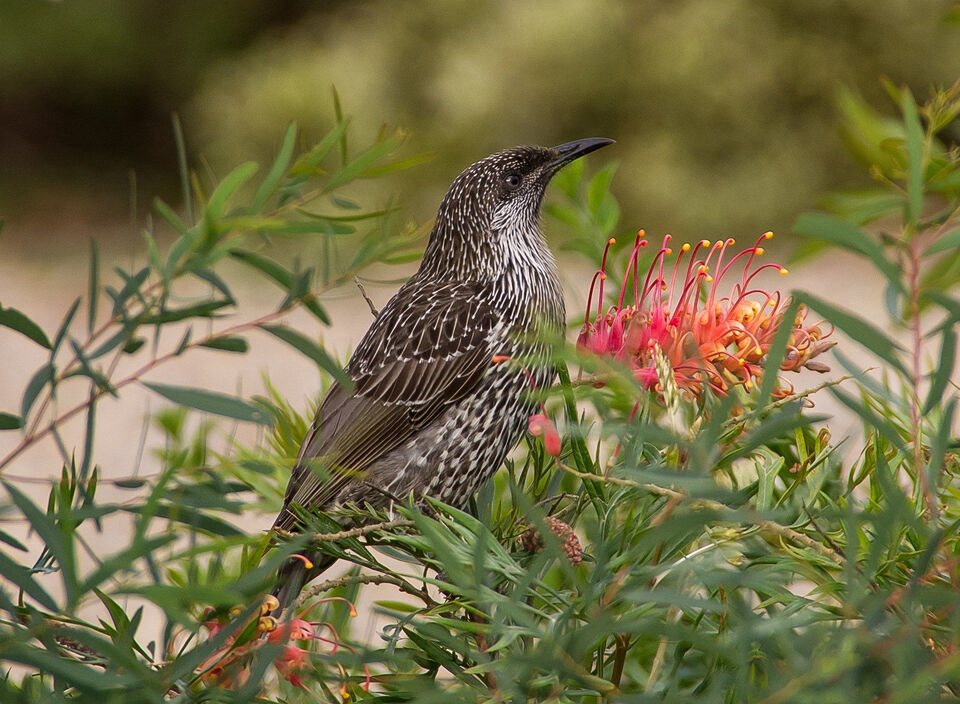
Australian natives
Australian native plants bring colour, structure and wildlife into the garden. Many are tough once established, but “native” does not mean “no care”. Natives come from very different environments — coastal heath, rainforest edges, dry inland plains — so choose each variety for your conditions rather than treating natives as one group.
Start with the conditions you already have. A plant suited to your light, soil and drainage will establish faster, need less help and stay healthier over time.
Check the light, soil and drainage preferences on the label. A plant from free-draining coastal sand may struggle in heavy, wet clay, while a moisture-loving variety may suffer in a hot, dry bed.
Nectar-rich flowers such as grevilleas, callistemons and kangaroo paws feed birds and insects. Dense shrubs give small birds shelter. Mixing flower shapes and flowering times supports wildlife across the year.
Check the mature height and width before planting. Natives look their best when they have room to grow into their natural shape instead of being cut back to fit a space that is too small.
Many natives, especially grevilleas, banksias and their relatives, are sensitive to phosphorus. Use a fertiliser labelled as suitable for natives, at the rate on the pack. If a plant is growing well, it may not need feeding at all. Too much fertiliser can do more harm than good.
“Drought tolerant” describes an established plant. New plantings need regular water while their roots grow into the surrounding soil, usually through the first spring and summer. After that, water deeply but less often. Always check the soil first.
Light tip pruning after flowering keeps many natives compact and encourages more flowers next season. Avoid cutting hard into old, leafless wood unless you know the variety reshoots from it, as many natives do not.
Leave some leaf litter under shrubs where you can. It holds moisture in the soil and is home to the insects that many native birds feed on.
A selection of Australian natives currently available from Southern Plants™. Choose a plant to see its full growing guide.
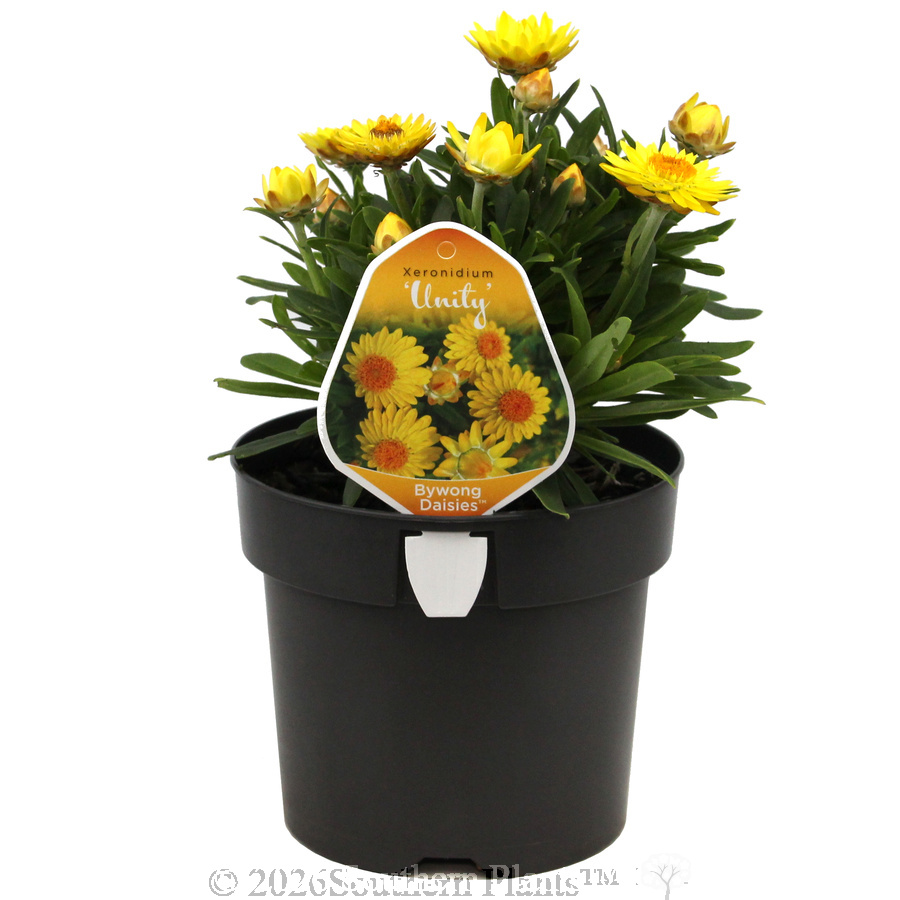 Xeronidium Unity Everlasting Daisy
Xerochrysum x Coronidium 'Xeronidium Unity'
Xeronidium Unity Everlasting Daisy
Xerochrysum x Coronidium 'Xeronidium Unity'
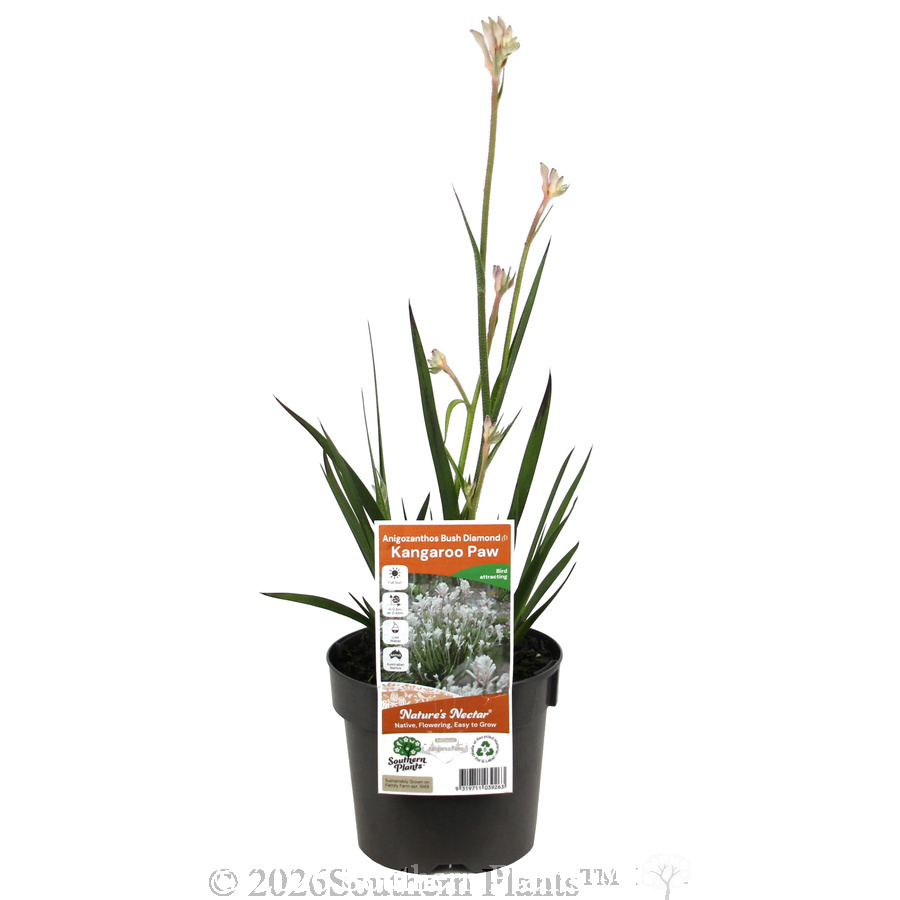 Bush Diamond™ Kangaroo Paw
Anigozanthos hybrid 'Rambodiam' (Bush Diamond™) PBR
Bush Diamond™ Kangaroo Paw
Anigozanthos hybrid 'Rambodiam' (Bush Diamond™) PBR
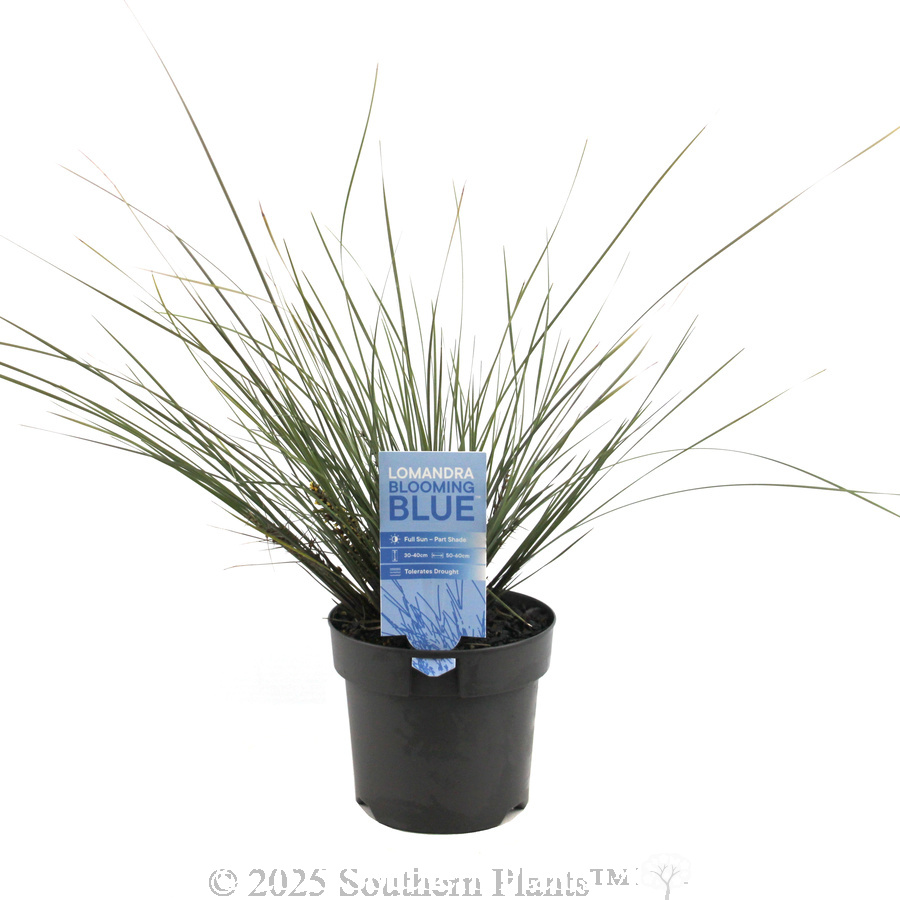 Bloomin' Bloo® Lomandra
Lomandra confertifolia subsp. rubiginosa 'PGSL001' 'Bloomin' Bloo'®
Bloomin' Bloo® Lomandra
Lomandra confertifolia subsp. rubiginosa 'PGSL001' 'Bloomin' Bloo'®
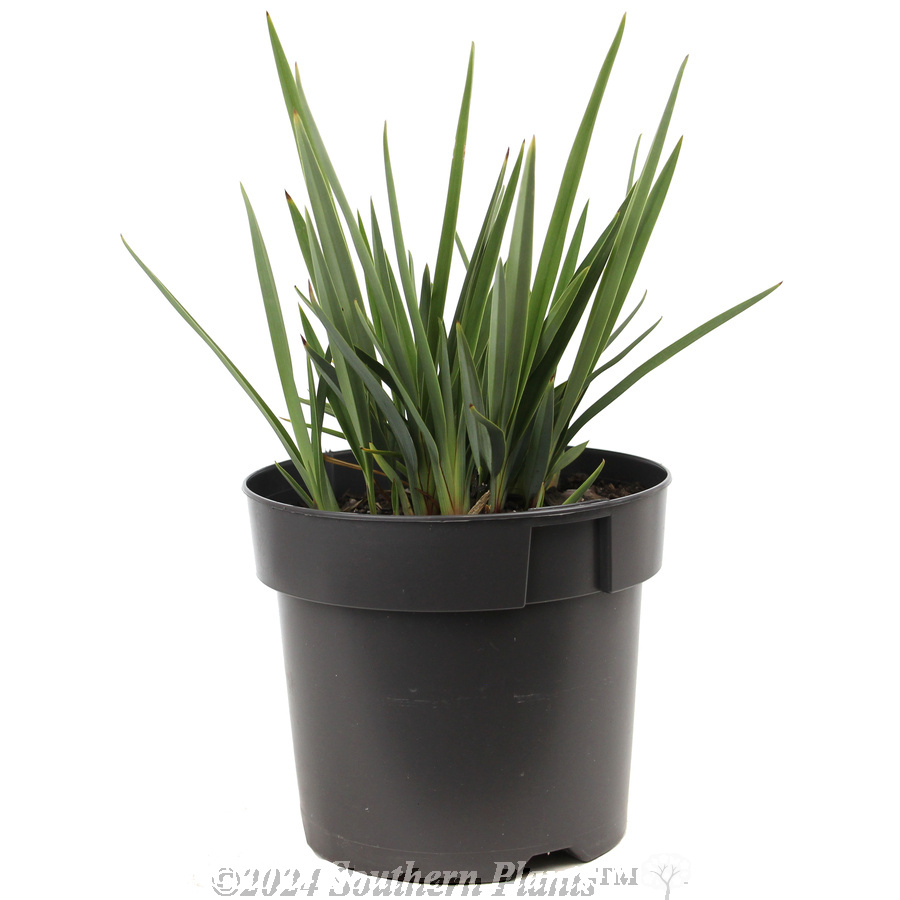 Dianella Little Rev™
Dianella revoluta 'DR5000' 'Little Rev™'
Dianella Little Rev™
Dianella revoluta 'DR5000' 'Little Rev™'
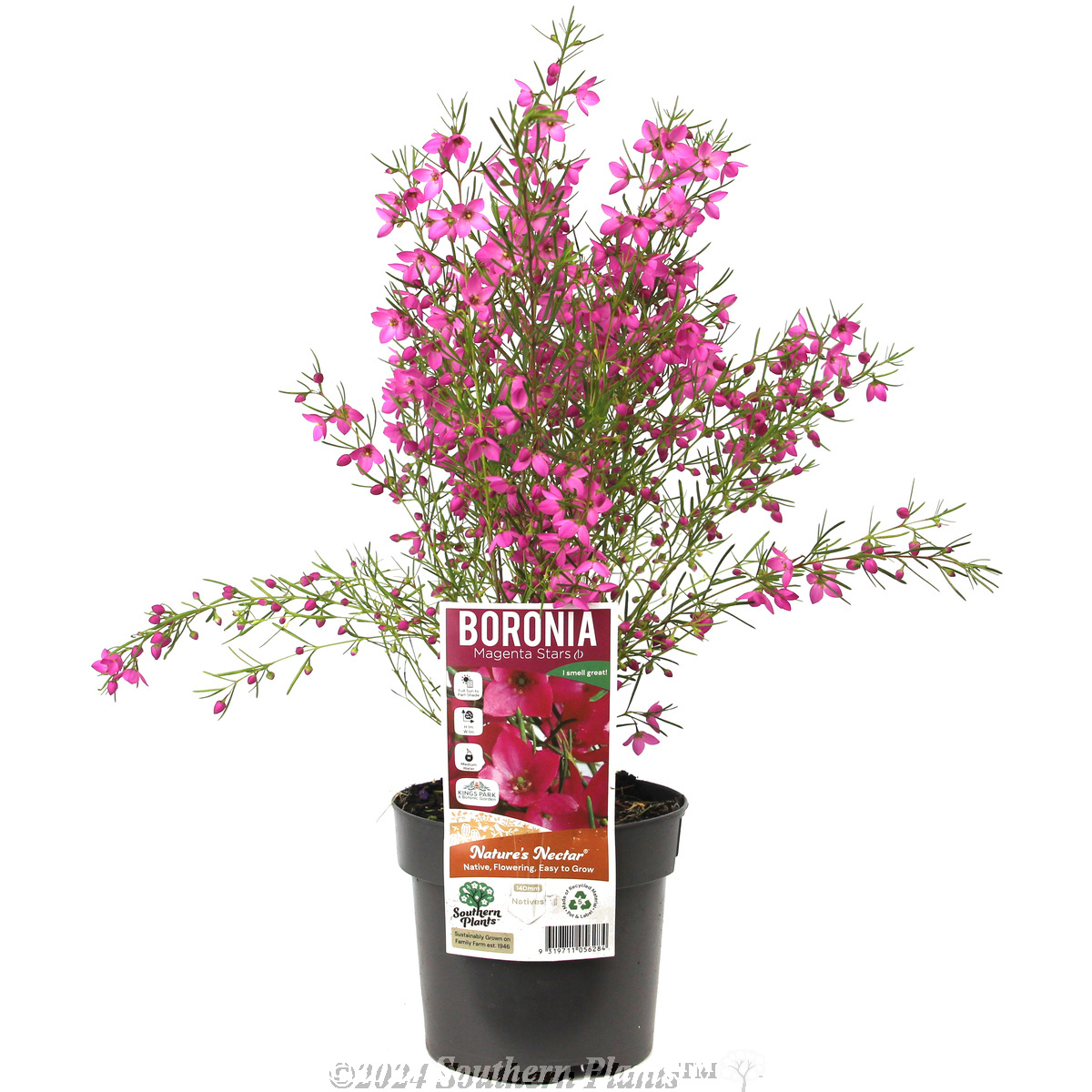 Boronia Magenta Stars
Boronia heterophylla 'Moonglow' x pulchella 'Magenta Stars'
Boronia Magenta Stars
Boronia heterophylla 'Moonglow' x pulchella 'Magenta Stars'
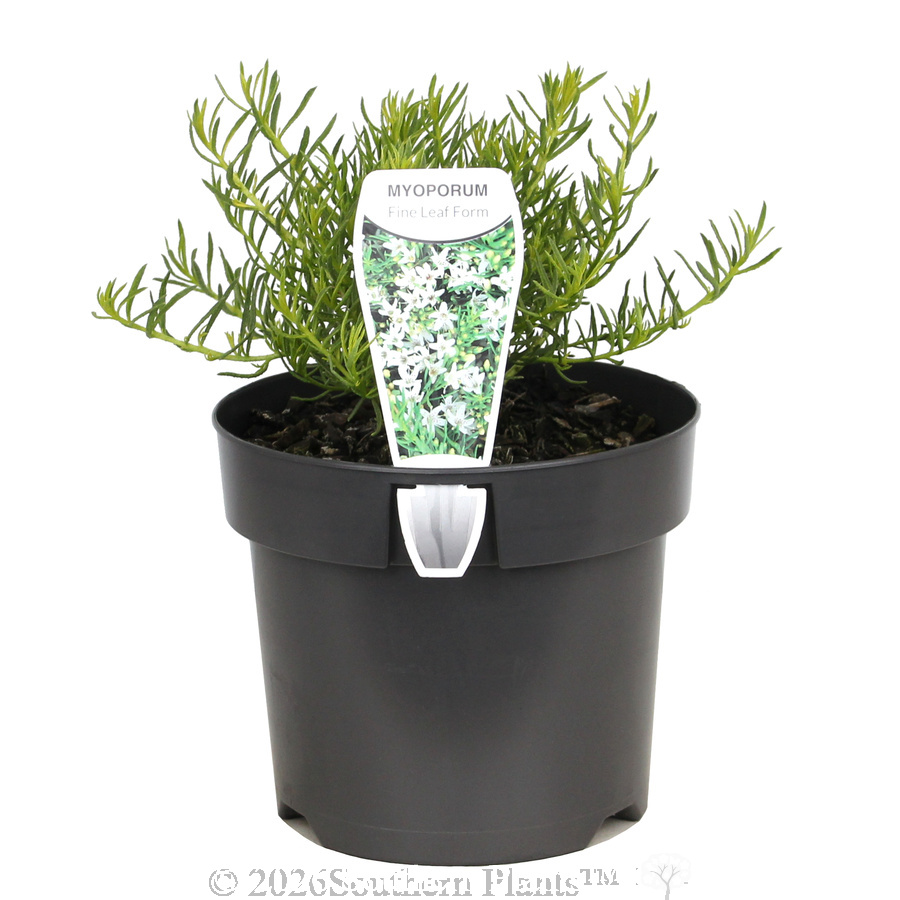 White creeping boobialla
Myoporum parvifolium alba (fine leaf)
White creeping boobialla
Myoporum parvifolium alba (fine leaf)
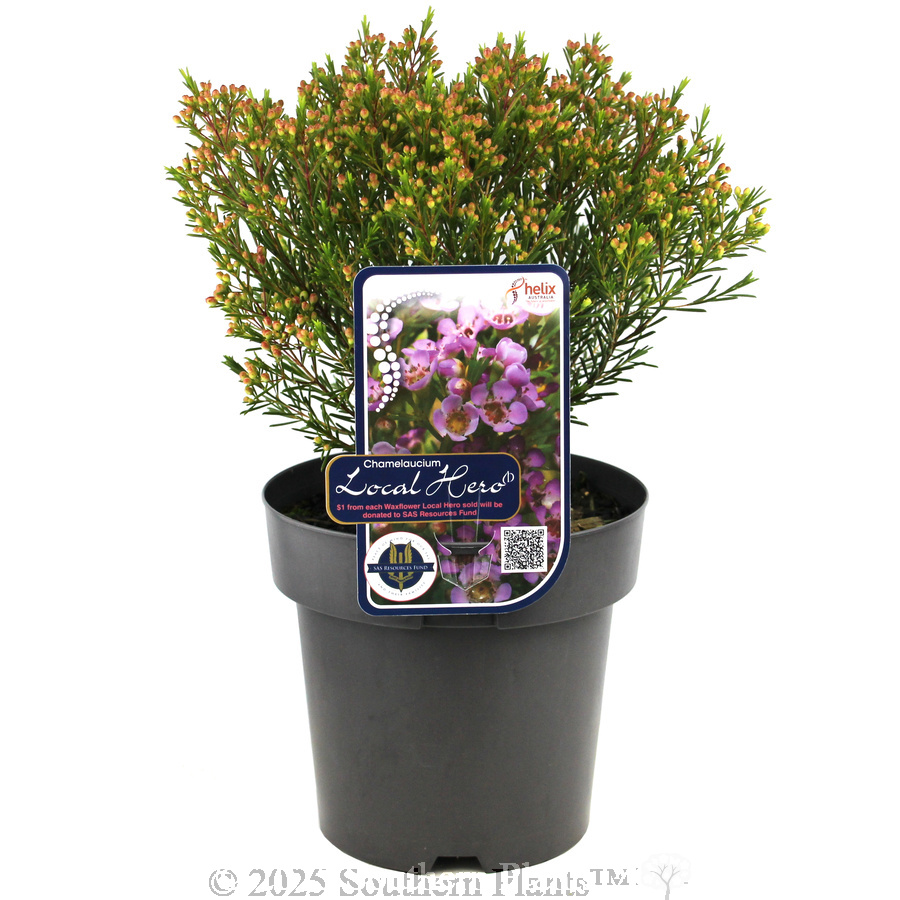 Local Hero Wax Flower
Chamelaucium uncinatum 'Local Hero'
Local Hero Wax Flower
Chamelaucium uncinatum 'Local Hero'
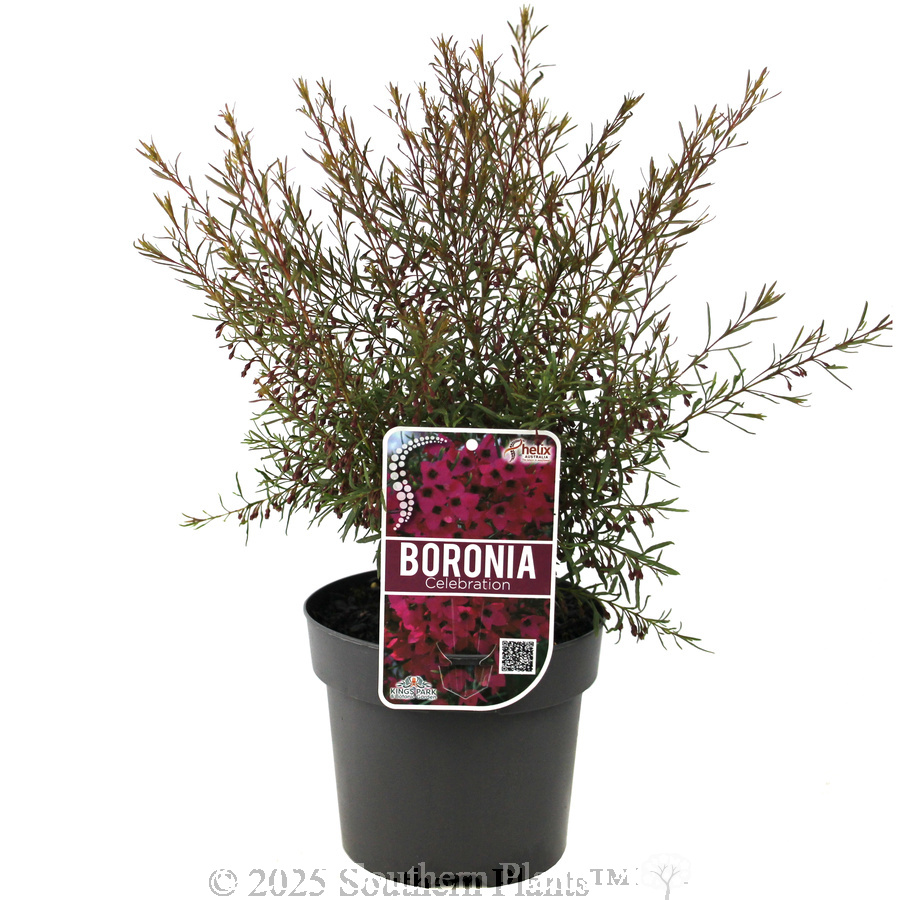 Boronia Celebration
Boronia hybrid 'Celebration' 'KPB144'
Boronia Celebration
Boronia hybrid 'Celebration' 'KPB144'
You do not need to know everything at once. Start with your plant’s growing requirements, try the steps that suit your garden, and build confidence as you see what works.
Open Plant Finder