
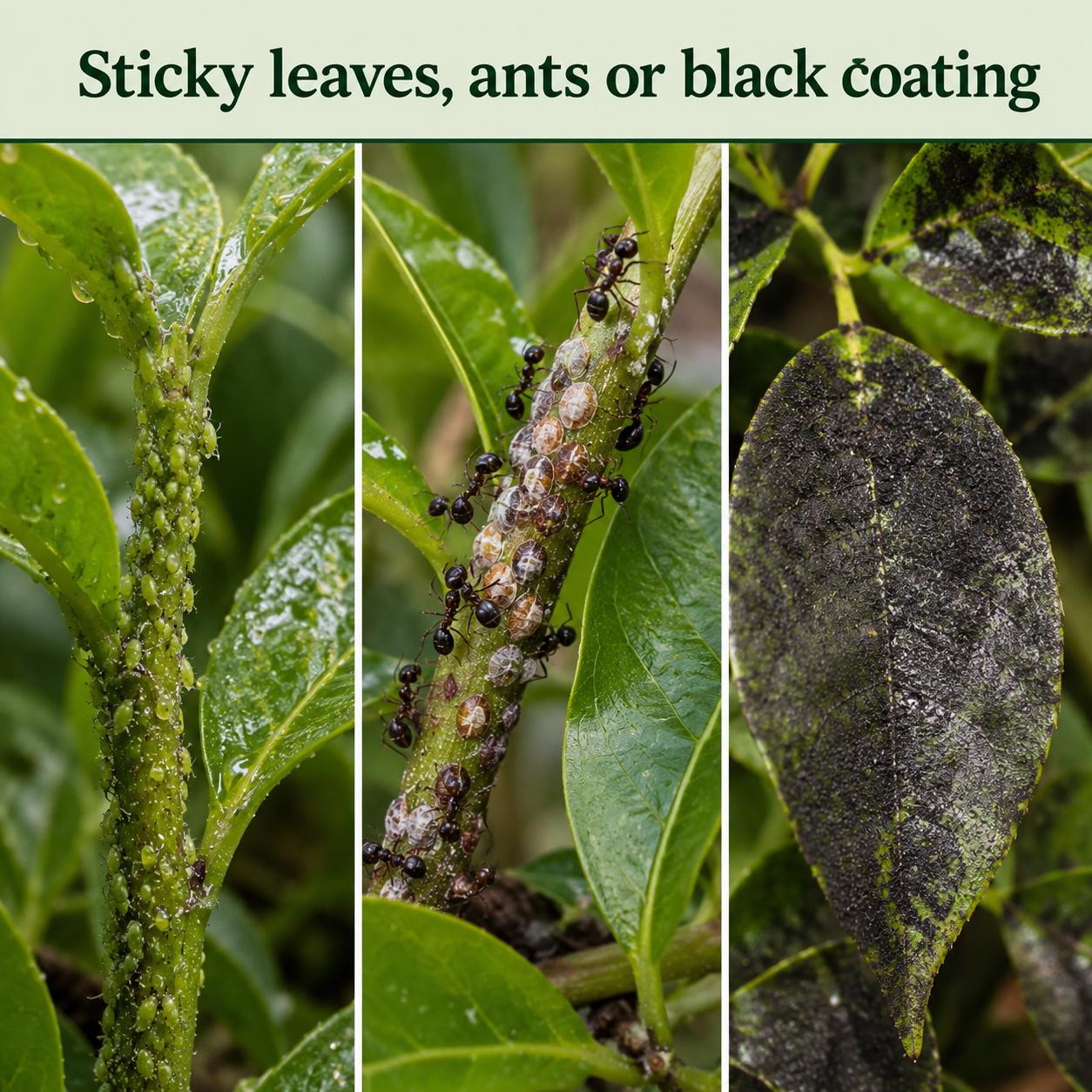
Sticky leaves, ants or black coating
Check stems, new shoots and leaf undersides for aphids, scale, mealybugs, whiteflies or psyllids. Sap-feeding insects can produce sticky honeydew, which attracts ants and may support black sooty mould.
Southern Plants GARDEN ADVICE
Plants are living things and, just like us, they can sometimes become stressed or unwell. Most problems are easier to manage when noticed early, so regularly check the leaves, stems and soil for unusual changes.
Start with observation
A symptom can have several causes. Wilting, for example, may come from dry soil, damaged roots or waterlogging. Look closely before deciding that an insect or disease is responsible.
Check stems, new shoots and leaf undersides for aphids, scale, mealybugs, whiteflies or psyllids. Sap-feeding insects can produce sticky honeydew, which attracts ants and may support black sooty mould.
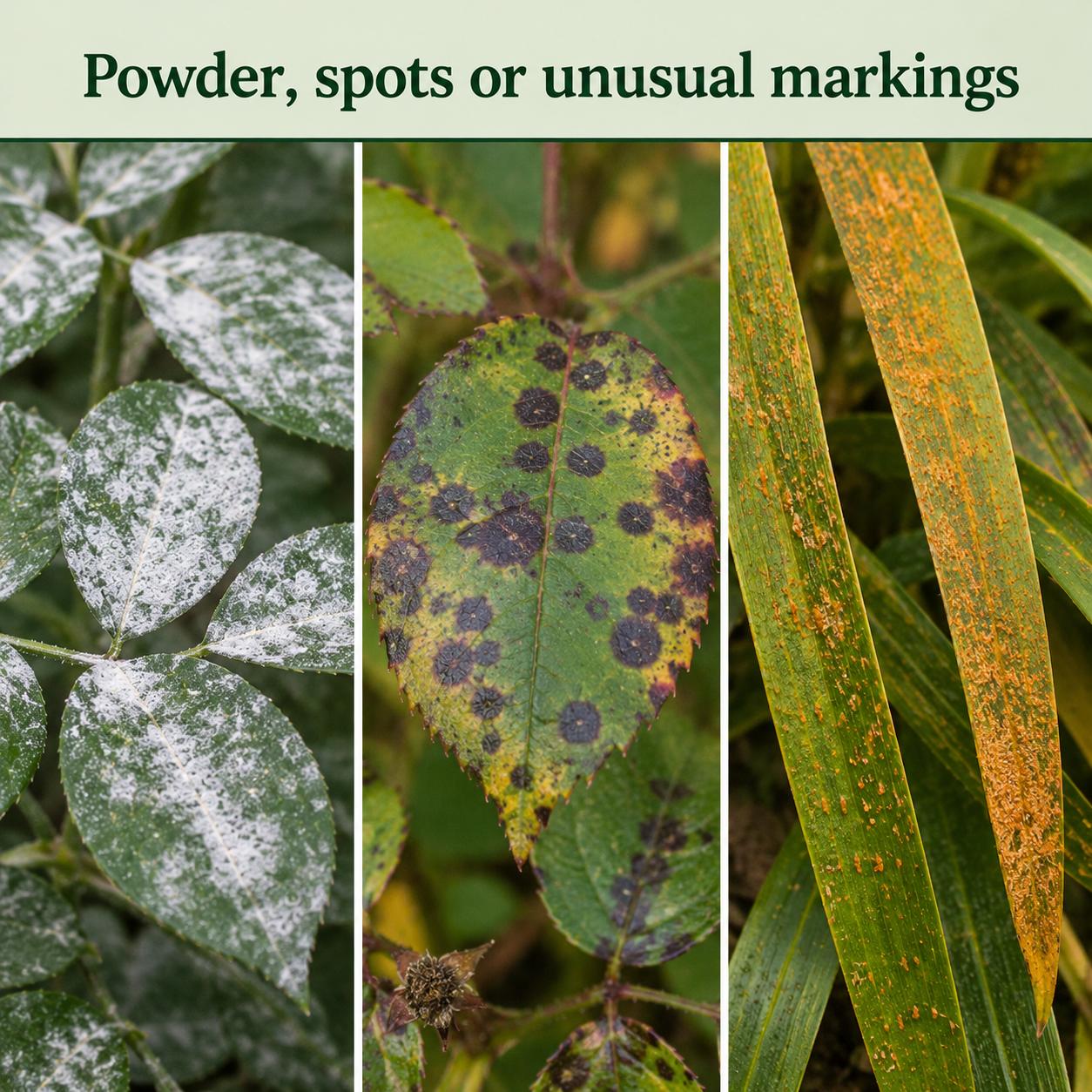
White or grey powder may suggest powdery mildew. Rust-coloured pustules, dark spots or expanding dead areas can have different fungal, bacterial or environmental causes. Photograph the top and underside of affected leaves before removing them.
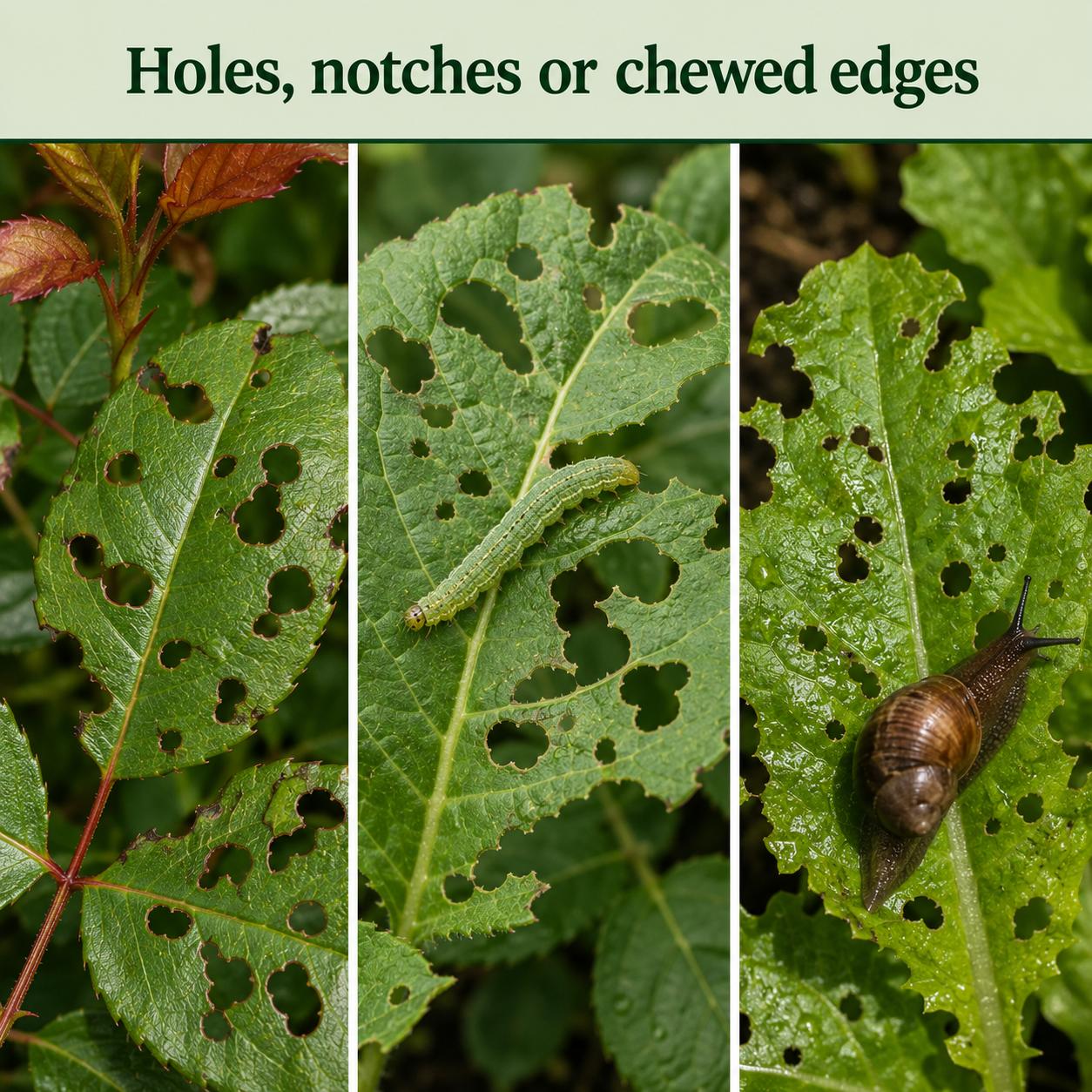
Look in the evening and beneath leaves for caterpillars, beetles, weevils, slugs and snails. A small amount of chewing is often cosmetic and may also support birds and beneficial insects.
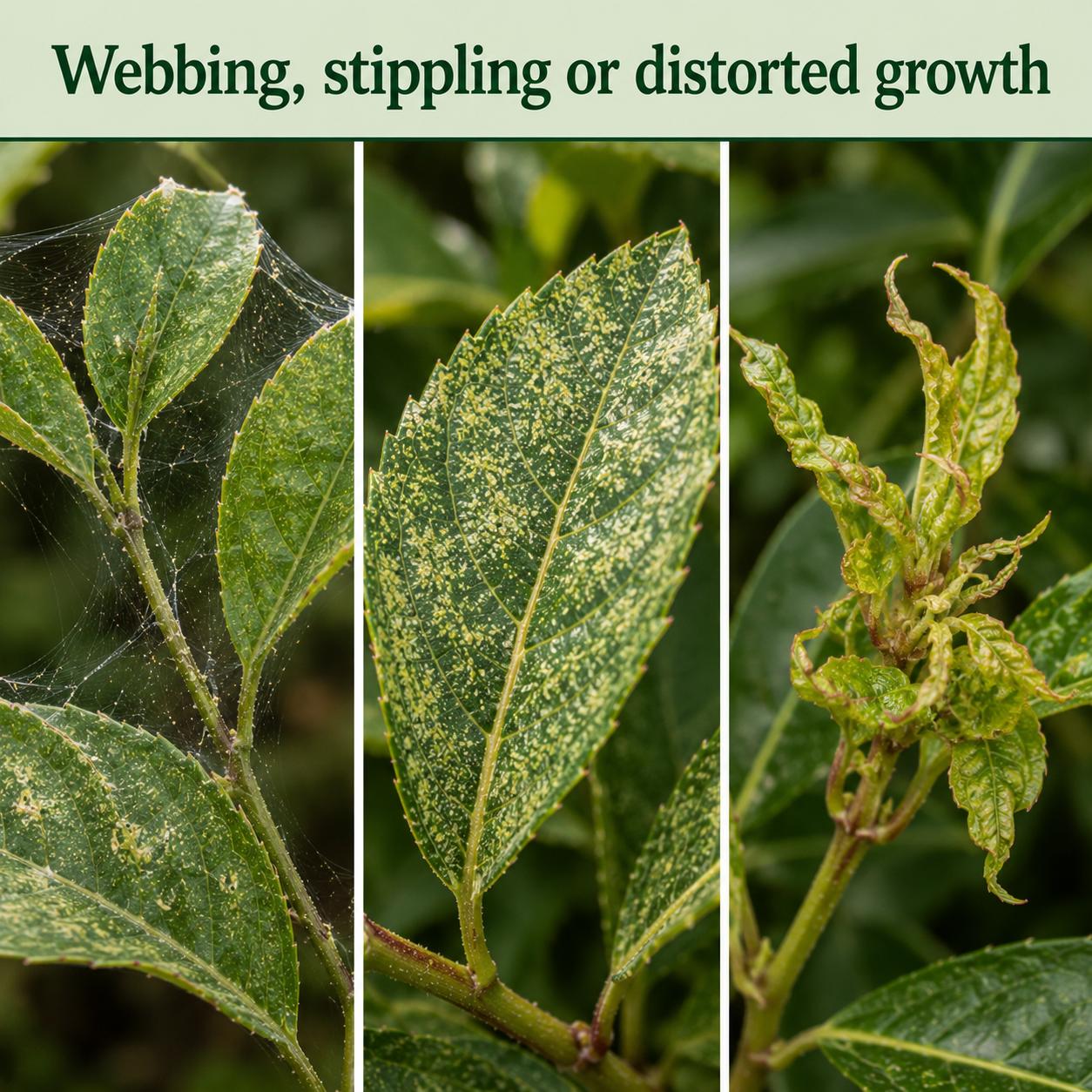
Fine webbing and pale speckling can indicate mites. Twisted new growth may be associated with mites, thrips, aphids, herbicide exposure or other stress, so inspect carefully rather than treating from one symptom alone.
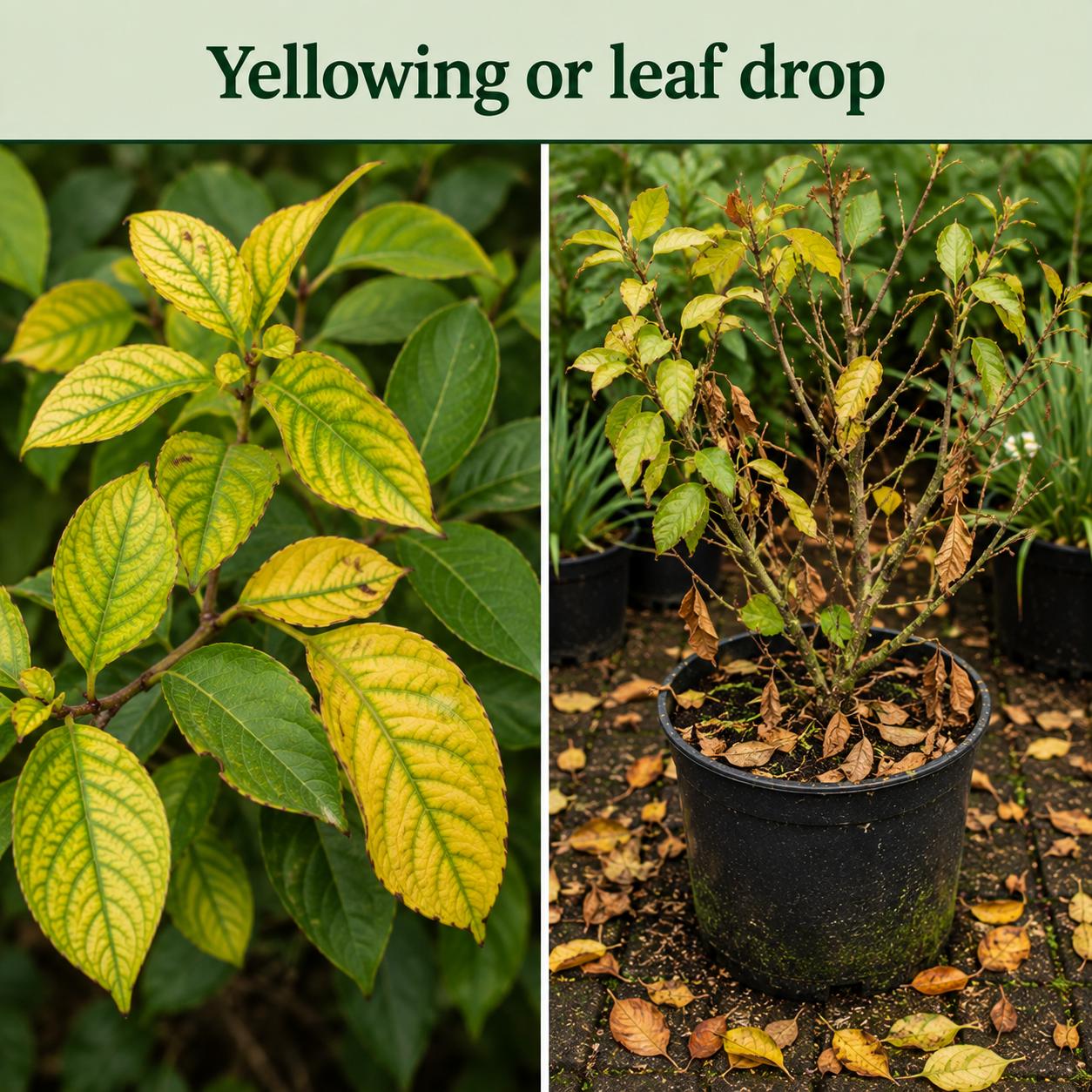
Check soil moisture, drainage, season and normal leaf age first. Yellowing can reflect water stress, nutrient availability, root damage or disease; chlorosis describes the symptom, not one diagnosis.
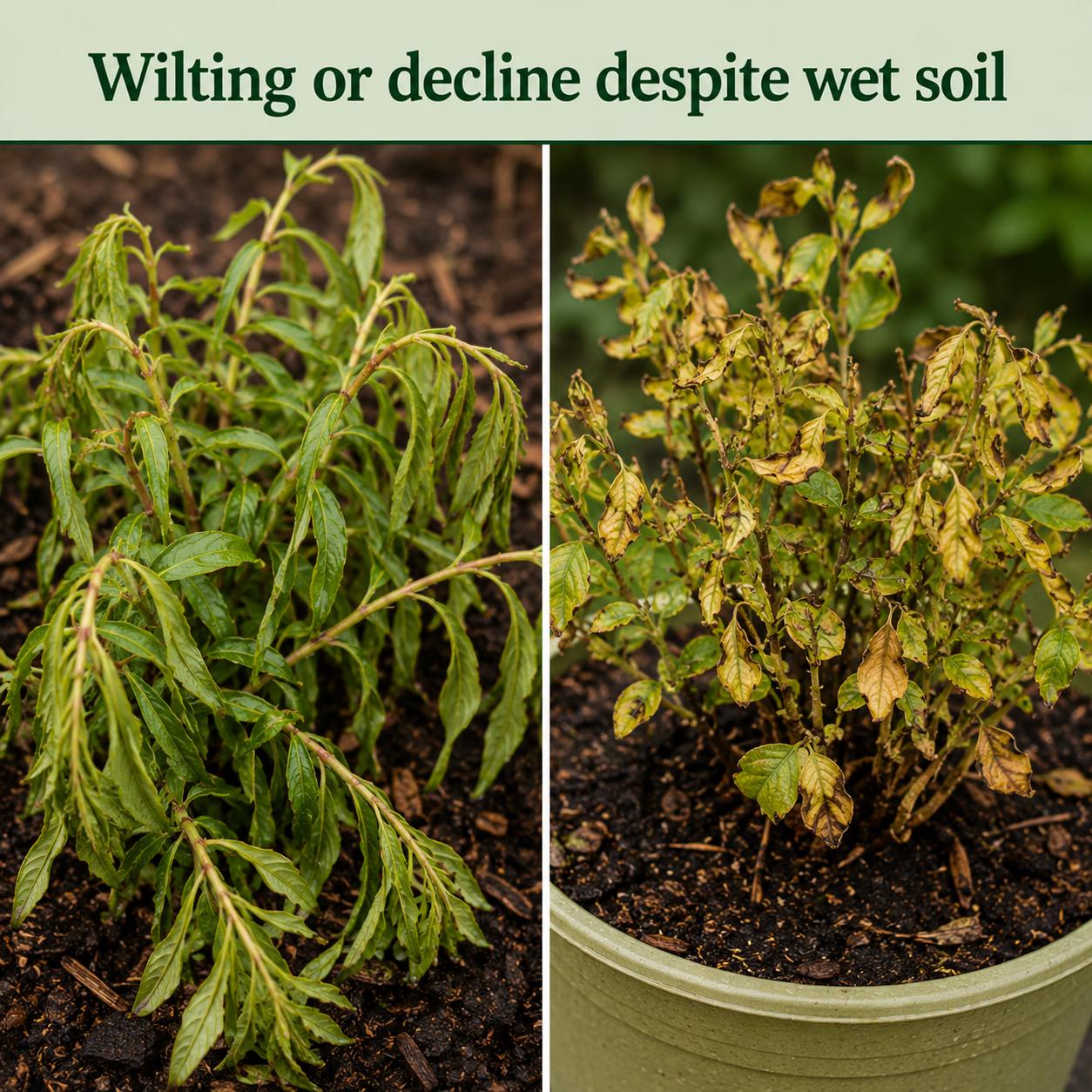
Stop adding water until you understand the cause. Persistent wetness, dark or soft roots and poor drainage may indicate root stress or root disease. Move pots out of standing water and seek specific advice before replanting affected soil.
A calm first response
Trusted Australian guidance
These independent resources provide photographs and more detailed explanations. Advice can vary by plant and conditions, so use identification guidance before choosing a response.
Open a plant page to see its approved Southern Plants watch list and personalised planting and care guidance.
Open Plant Finder