
Eating Out vs Gardening: The Battle That Wins You Wellbeing
Living costs keep climbing and most of us are looking for places to cut back. Skipping a couple of coffees, or one breakfast or lunch out, can put a plant in the ground and give you and your family something that keeps giving back.
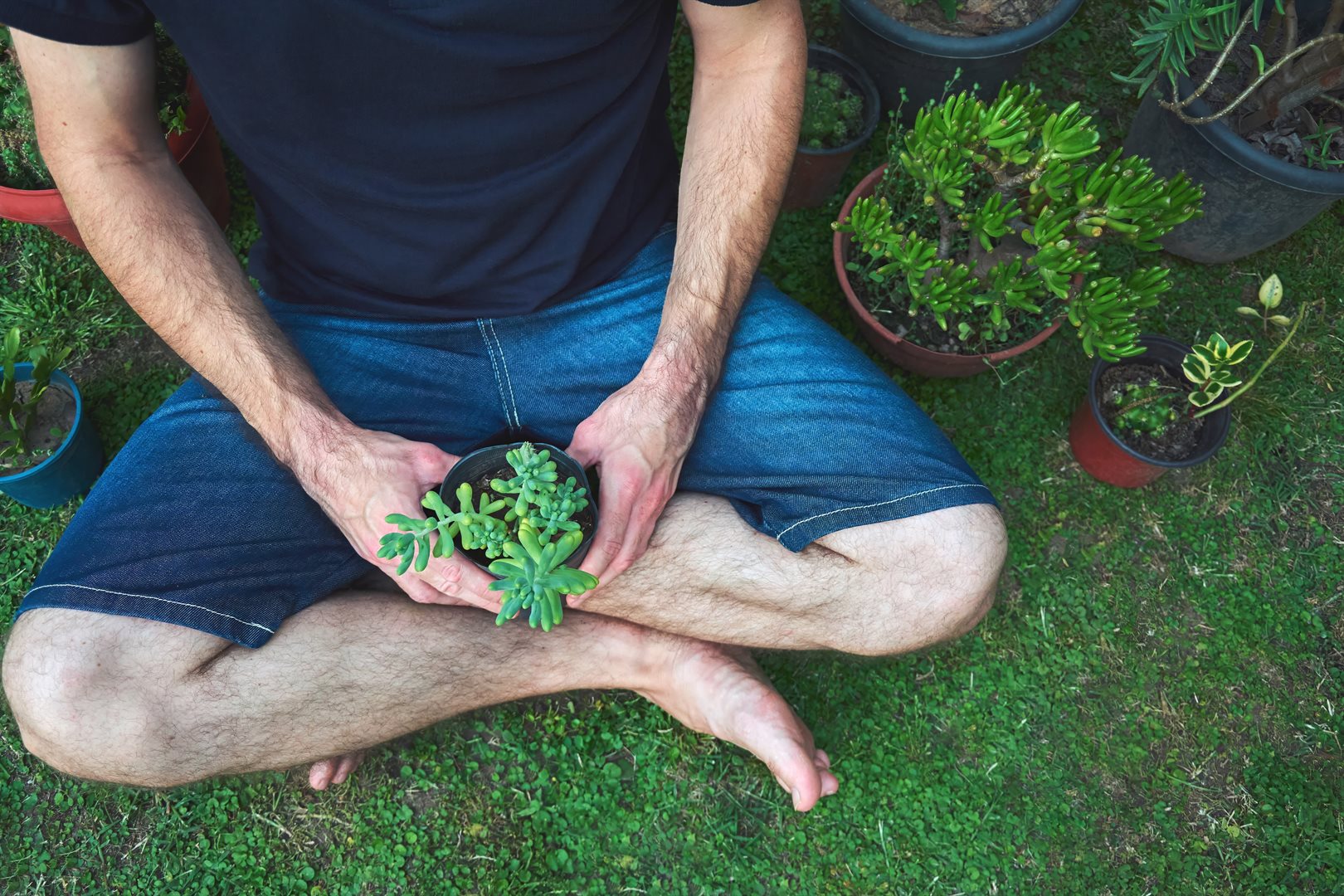
Life is expensive right now. Rent, groceries, power bills and the weekly shop all cost more than they did a couple of years ago, and most households are quietly looking for somewhere to trim. Often the first things to go are the small pleasures that make a week feel lighter.
I'd like to suggest a swap rather than a sacrifice.
Start with the daily coffee. Two takeaway coffees a day can easily add up to $10 or more. Skip them for a day or two and you have the price of a healthy plant from your local garden centre. Do it for a week and you could fill a pot, start a herb garden or plant a small hedge.
Or think about breakfast or lunch out. For two people, with drinks, it can easily pass $50, and for a family it's often well over $100. It's lovely, and it's over in an hour. Put that same money into plants and you get something that lasts: a shrub that flowers every spring, herbs you pick from for months, a tree that grows up alongside your kids. Gardening isn't free, but plants keep giving back long after the receipt is in the bin.
The part I value most doesn't show up on a receipt at all. A garden is one of the best excuses I know to spend time together. Kids love to dig, water, hunt for worms and check every morning whether the new plant has grown. They learn where food comes from, how to look after something living and how to wait for a result. Those are lessons, and memories, that a café table can't give them.
Gardening is good for grown-ups too. It gets you outside, moving and away from a screen. Digging, watering, pruning and weeding are gentle, steady exercise, and many people find that half an hour with their hands in the soil does more for a busy head than another hour of scrolling. A garden brings birds, bees and butterflies to your door, and a reason to notice the seasons changing.
You don't need a big backyard or a big budget to start. A few ideas:
Start small. One or two good-sized pots by the back door or on a balcony are enough to build a habit.
Choose plants that suit your spot. Check how much sun the area gets and pick plants to match. Your garden centre team can help, and the plant label will tell you the light, water and size to expect.
Grow something useful. Herbs like rosemary, thyme and parsley cost less over a season than buying bunches every week, and kids love picking them for dinner.
Give the kids their own patch. A pot or a corner of the garden that's theirs to plant and look after makes them part of it from day one.
Pick tough performers. Hardy, drought-tolerant plants forgive the odd missed watering while everyone finds their rhythm.
Make it a ritual. Ten minutes in the garden with a cuppa at home, checking what's new, is one of the cheapest and best ways to start the day.
My family has been growing plants for Australian gardens since 1946. Today Southern Plants grows around two million plants a year, in pots made from 95% recycled Australian plastic that can go straight into your kerbside recycling. We grow them so more people can enjoy what a garden gives back. Every plant that goes into the ground is a small win for you, your family and the planet.
So next time you're about to order another coffee, or book a table for breakfast, think about what that money could grow instead. Visit your local garden centre, look for the Southern Plants label and start something that will still be giving back next year.
Better Plants. Better Planet.
Pilar Jackson